Boutique Hotel Design: Where Individuality Meets Luxury
In the world of hospitality, boutique hotels occupy a unique niche. Unlike large hotel chains that focus on uniformity and scale, boutique hotels prioritize individuality, character, and personalized guest experiences. Boutique hotel design plays a central role in this differentiation, blending bespoke aesthetics with thoughtful functionality to create memorable stays.
From urban retreats to countryside escapes, boutique hotel design combines luxury, creativity, and a sense of place. It’s not just about providing a bed for the night—it’s about crafting an experience that resonates with guests long after they’ve checked out.
Characteristics of Boutique Hotel Design
- Smaller Scale: Boutique hotels typically feature fewer rooms (usually under 100), creating a more intimate and exclusive atmosphere.
- Unique Themes and Aesthetics: Each boutique hotel tells its own story, often reflecting local culture, history, or a specific design style.
- Luxury in Detail: High-end materials, custom furnishings, and thoughtful amenities are hallmarks of boutique hotel design.
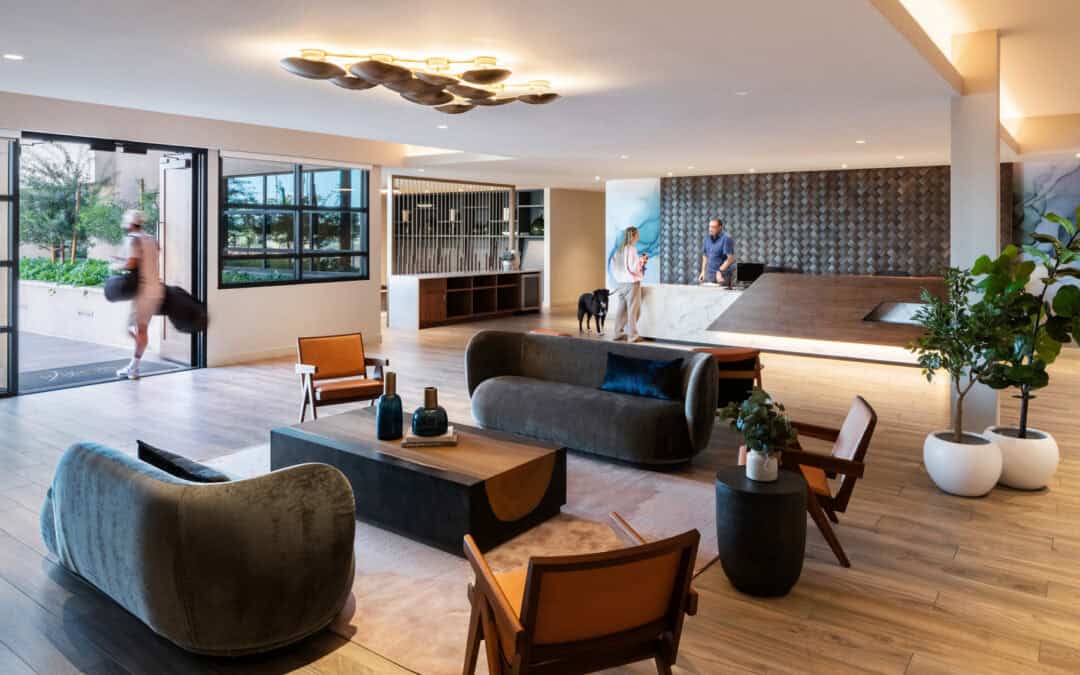
- Personalized Guest Experiences: The design of these hotels often includes cozy common areas, unique room layouts, and spaces that encourage interaction with the environment and other guests.
- Integration of Local Elements: Many boutique hotels incorporate local art, materials, and design motifs to provide guests with a sense of place.
- Sustainability and Innovation: Boutique hotels often lead in adopting eco-friendly practices and cutting-edge technology to enhance guest experiences.
Design Elements That Define a Boutique Hotel
- Interior Themes and Storytelling: Each boutique hotel is an opportunity to tell a story through design. For example, a coastal boutique hotel might use nautical motifs, while an urban retreat might embrace industrial chic with exposed brick and steel accents.
- Custom Furnishings: Unlike large hotels with standardized furniture, boutique hotels often feature bespoke pieces that add character and charm to each space.
- Eclectic Art and Decor: Hand-selected artwork and decor elements contribute to the individuality of each room and common area, making the space feel curated rather than mass-produced.
- Comfort-Focused Room Layouts: Guestrooms are designed with both aesthetics and practicality in mind, offering plush bedding, ergonomic furniture, and unique layouts.
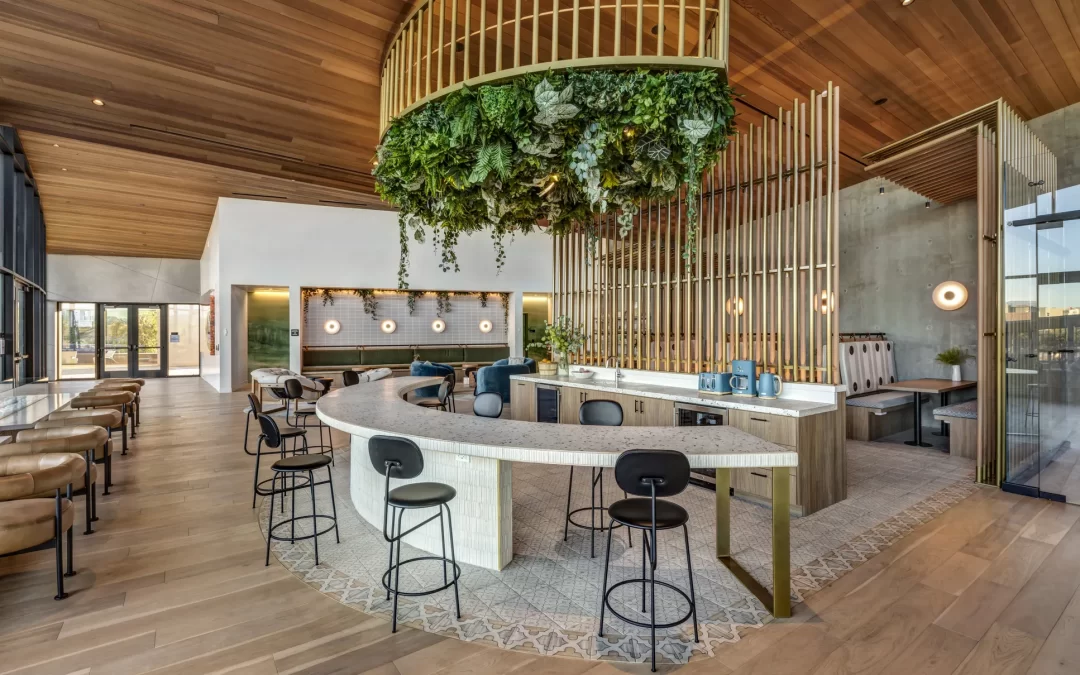
- Thoughtful Common Areas: From cozy libraries to rooftop bars, boutique hotels prioritize common spaces that feel welcoming and tailored to guest interaction.
- Luxury Bathrooms: High-end bathrooms with freestanding tubs, rainfall showers, and premium toiletries enhance the overall guest experience.
Benefits of Boutique Hotel Design
- Memorability: Unique design elements and personalized touches make boutique hotels stand out, creating lasting memories for guests.
- Enhanced Guest Engagement: Guests feel more connected to the space and the brand due to the intimate scale and bespoke design.
- Market Differentiation: Boutique hotels offer something distinct in a market dominated by large chains, appealing to travelers seeking originality and exclusivity.
- Local Integration: By reflecting the local culture and environment, boutique hotels offer an authentic experience that resonates with modern travelers.
- Repeat Business: The unique and luxurious nature of boutique hotels encourages guest loyalty, leading to repeat visits.
Design Strategies for Boutique Hotels
- Focus on the Guest Journey: Map out every touchpoint of a guest’s stay, from the check-in experience to the final farewell, and design spaces to enhance each moment.
- Celebrate Local Culture: Incorporate regional materials, patterns, and art to create a sense of place that resonates with guests.
- Design for Versatility: Boutique hotels often host events or unique experiences, so spaces should be flexible to accommodate different uses.
- Prioritize Sustainability: Use eco-friendly materials, energy-efficient systems, and waste reduction practices to align with guest expectations and industry trends.
- Create Signature Features: Whether it’s a rooftop pool, a cozy wine cellar, or an artistic centerpiece in the lobby, signature design elements help define the hotel’s personality.
Real-World Example: Boutique Hotel Design in Action
The NoMad Hotel, New York City
The NoMad Hotel is a quintessential example of boutique hotel design done right. Nestled in the heart of Manhattan, the hotel combines Parisian elegance with a contemporary edge. Each room is individually designed with custom furniture, rich textures, and curated art pieces. The hotel’s dining areas, including a stunning atrium and a rooftop bar, seamlessly blend luxury with intimacy, creating spaces that are both functional and memorable. By integrating local elements like antique books and New York-inspired decor, The NoMad achieves a perfect balance of global sophistication and local charm.
Challenges in Boutique Hotel Design
- Balancing Uniqueness with Functionality: While creativity is key, practical considerations such as guest comfort and operational efficiency must not be overlooked.
- Budget Constraints: High-quality, bespoke design can be costly. Careful planning and prioritization are essential.
- Adapting to Different Guests: Boutique hotels cater to diverse travelers, from business professionals to vacationers. Designs must be flexible enough to appeal to a broad audience.
The Future of Boutique Hotel Design
The boutique hotel sector is thriving, driven by a growing demand for personalized and experiential travel. Future trends include:
- Sustainability as a Core Principle: Boutique hotels will continue to lead in adopting green practices, from energy-efficient designs to sustainable sourcing.
- Technology Integration: Smart rooms with voice-controlled lighting, personalized guest apps, and virtual concierge services will become more common.
- Hyper-Local Design: As travelers increasingly seek authentic experiences, boutique hotels will deepen their focus on local culture, food, and art.
- Wellness-Centric Spaces: Incorporating features like yoga rooms, wellness retreats, and organic dining options will appeal to health-conscious guests.
Conclusion
Boutique hotel design is a celebration of individuality, creativity, and guest-centric thinking. By combining unique aesthetics with luxurious comfort and thoughtful details, boutique hotels create spaces that leave a lasting impression on guests. In a world where travelers seek meaningful experiences, the role of boutique hotel design in shaping unforgettable stays is more critical than ever.