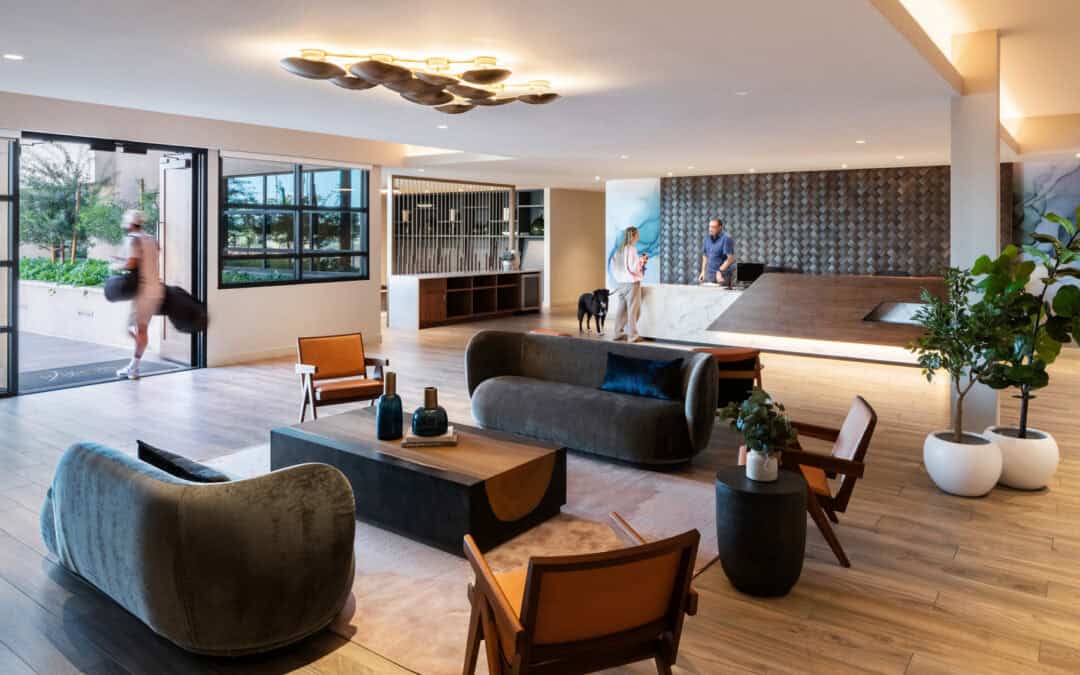
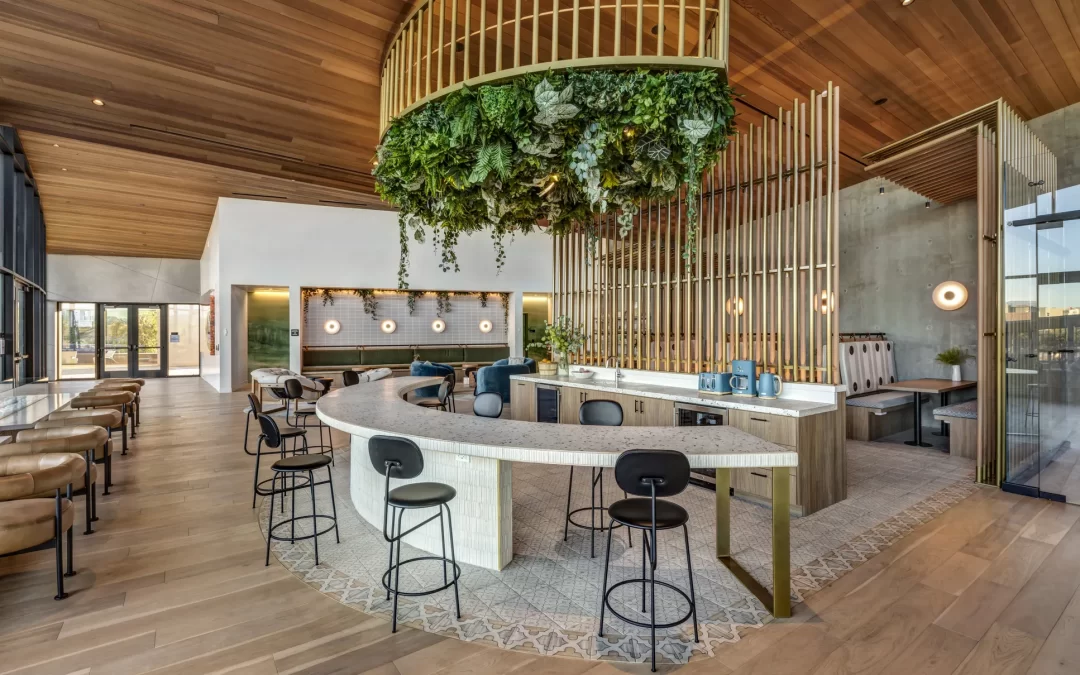
Abstract art has long been a source of inspiration for interior designers, offering a unique way to infuse creativity, emotion, and individuality into spaces. Unlike traditional art, which often depicts recognizable subjects, abstract art focuses on shapes, colors, and forms to evoke feelings and ideas. When integrated thoughtfully, abstract art can transform any room into a visually engaging and experiential environment.
This article delves into the world of abstract art integration in interior design. We’ll explore its benefits, provide practical tips, showcase examples, and explain how it aligns with mindful design practices. Whether you’re a homeowner, business owner, or design enthusiast, this guide will help you harness the power of abstract art to elevate your spaces.
The Role of Abstract Art in Interior Design
Abstract art is more than just a decorative element—it’s a storytelling tool. It allows designers to create spaces that evoke emotions, spark conversations, and reflect individuality. By breaking away from literal representations, abstract art opens up endless possibilities for creative expression.
In interior design, abstract art serves multiple purposes:
- Focal Point: A bold abstract piece can anchor a room, drawing the eye and setting the tone for the entire space.
- Color Palette Inspiration: Abstract art often features vibrant or unconventional color combinations, which can inspire the color scheme of a room.
- Conversation Starter: Abstract art invites interpretation, making it a great way to engage visitors and create memorable experiences.
- Personalization: Abstract pieces can reflect the personality and values of the space’s occupants, adding a layer of authenticity.
Benefits of Integrating Abstract Art
Integrating abstract art into interiors offers numerous advantages, both aesthetic and psychological:
-
Enhances Visual Interest
Abstract art adds depth and intrigue to a space. Its unpredictable shapes and colors create a dynamic visual experience that keeps the eye engaged. -
Encourages Emotional Connection
Abstract art often evokes strong emotional responses, helping to create a space that feels personal and meaningful. -
Promotes Creativity
The open-ended nature of abstract art encourages creative thinking and innovation, making it a great fit for artistic and forward-thinking environments. -
Versatility
Abstract art complements a wide range of design styles, from minimalist to eclectic. Its adaptability makes it a versatile choice for any space. -
Increases Property Value
Thoughtfully curated art can elevate the perceived value of a property, making it an investment in both aesthetics and functionality.
Practical Tips for Integrating Abstract Art
Here are some actionable tips to help you seamlessly incorporate abstract art into your interiors:
-
Choose the Right Piece
Select a piece that resonates with the mood and purpose of the space. For example, a calming abstract painting works well in a bedroom, while a bold, energetic piece might suit a living room or office. -
Consider Scale and Placement
The size of the artwork should complement the scale of the room. A large piece can serve as a focal point, while smaller works can be grouped for a gallery wall effect. -
Harmonize with the Color Palette
Use the colors in the artwork to guide your choice of furniture, accessories, and finishes. This creates a cohesive and harmonious design. -
Balance with Negative Space
Allow the artwork to breathe by keeping the surrounding area uncluttered. Negative space enhances the impact of the piece. -
Mix and Match Styles
Don’t be afraid to combine abstract art with other styles, such as photography or sculpture. This adds layers of interest to the space. -
Lighting Matters
Proper lighting enhances the visibility and impact of the artwork. Use spotlights or track lighting to highlight the piece effectively.
Examples of Abstract Art Integration
Let’s look at some real-world examples of how abstract art can be integrated into different spaces:
-
Living Room
A large, colorful abstract painting above the sofa can serve as the room’s centerpiece, tying together the furniture and decor. -
Office
Abstract art in an office can stimulate creativity and inspire productive thinking. A bold piece behind the desk is a great choice. -
Bedroom
Soft, muted abstract art creates a tranquil atmosphere, perfect for a relaxing bedroom environment. -
Restaurant or Café
Abstract art adds a modern and artistic touch to hospitality spaces, enhancing the overall dining experience. -
Gallery Wall
A curated collection of smaller abstract pieces can create a dynamic and personalized gallery wall in any room.
Aligning Abstract Art with Your Brand
For businesses, abstract art can be a powerful branding tool. It communicates creativity, innovation, and a forward-thinking mindset. Here’s how to align abstract art with your brand:
-
Reflect Core Values
Choose pieces that reflect your brand’s mission and values. For example, a tech company might opt for futuristic, geometric designs. -
Create Signature Experiences
Use abstract art to design memorable customer touchpoints, such as an eye-catching lobby piece or an art-inspired product display. -
Consistency Across Spaces
Ensure that the art complements the overall design language of your brand, creating a cohesive and immersive experience.
Abstract Art in Mindful Design
At its core, abstract art integration aligns with the principles of mindful design. It encourages us to think beyond the superficial and create spaces that resonate on a deeper level. By focusing on authenticity, emotional connection, and originality, abstract art helps us craft interiors that are not just beautiful but also meaningful.
Infographic: Key Elements of Abstract Art Integration
| Element | Role in Design |
|---|---|
| Color | Inspires the room’s color palette |
| Shape | Adds visual interest and dynamism |
| Scale | Balances the room’s proportions |
| Placement | Defines focal points and flow |
| Lighting | Enhances visibility and impact |
Conclusion
Abstract art integration in interior design is a powerful way to create spaces that are visually stunning, emotionally resonant, and deeply personal. By understanding its benefits and applying practical tips, you can transform any room into a work of art that tells your unique story. Whether you’re designing a home, office, or commercial space, abstract art offers endless opportunities for creativity and self-expression.
So, the next time you’re planning a design project, consider incorporating abstract art. Let it be the spark that ignites your imagination and elevates your space to new heights.