Architectural Branding: The Foundation of Memorable Hospitality Spaces
In the world of hospitality, branding is much more than a logo or a color palette—it is the soul of a property, reflected in every guest interaction and visual element. Architectural branding takes this concept a step further, embedding the brand’s identity into the very walls, structures, and layouts of the property. This approach ensures that the brand is consistently communicated not only through decor but also through the building’s form and function.
What is Architectural Branding?
Architectural branding involves designing buildings and spaces in a way that encapsulates a hospitality brand’s identity. From the facade of a hotel to the layout of its rooms, every architectural choice is a reflection of what the brand stands for. It is a holistic design approach that combines aesthetics, functionality, and storytelling.
Key Elements of Architectural Branding
- Facade and Exterior Design: The first impression matters, and the exterior of a building is often the first interaction guests have with a hospitality brand. Whether it’s the modern glass architecture of a city hotel or the rustic stone facade of a countryside retreat, the exterior sets the tone for what guests can expect inside.
- Signature Architectural Features: Some brands are instantly recognizable by specific architectural elements. Think of the grandeur of arched entrances, iconic rooftop designs, or unique geometric structures. These features act as visual identifiers that make the brand memorable.
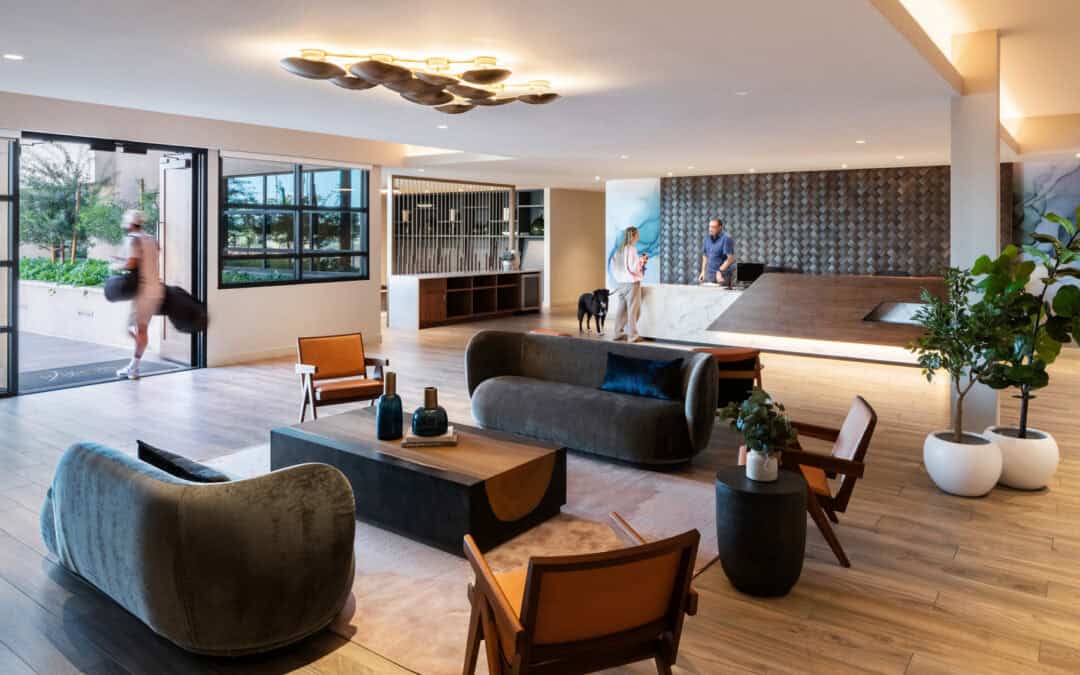
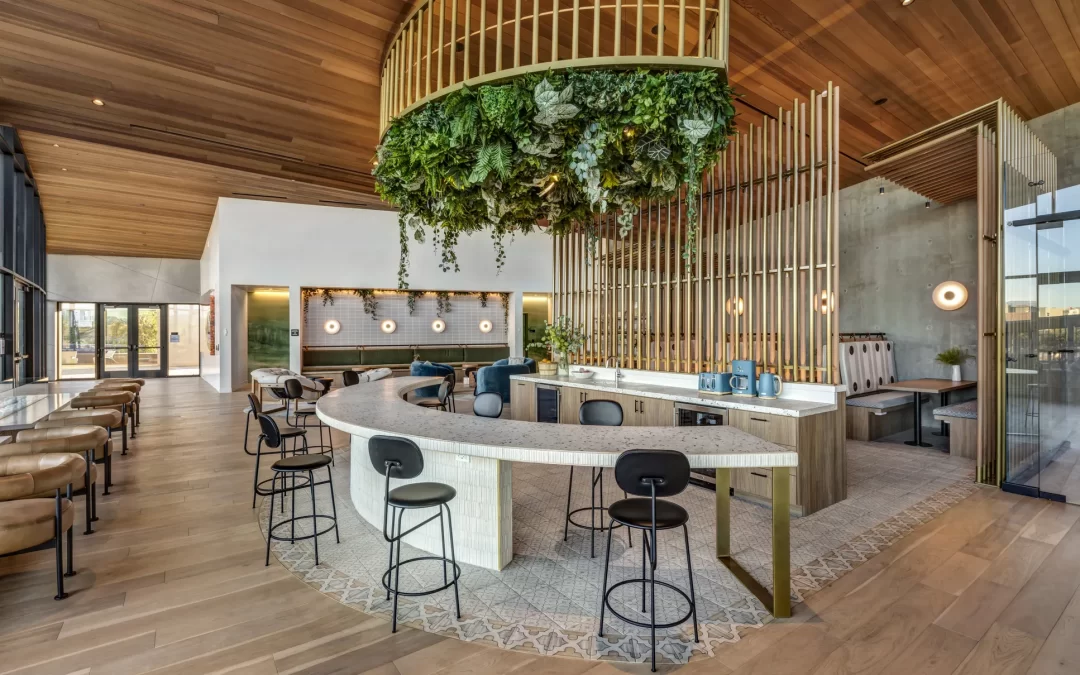
- Material Selection: Materials used in construction can also reflect a brand’s ethos. A sustainable hotel might showcase reclaimed wood and eco-friendly concrete, while a luxury resort might highlight marble and polished metals.
- Spatial Layouts: The flow and functionality of a space can also speak volumes about a brand. Open, inviting spaces might communicate a brand focused on social interaction, while segmented, private areas might align with exclusivity and luxury.
- Cultural and Regional Integration: Many hospitality brands incorporate local architectural styles into their properties to create a sense of place. This approach resonates particularly well with guests who value authenticity.
Benefits of Architectural Branding in Hospitality
- Enhances Guest Experience: A well-branded architectural design creates a seamless experience where guests feel connected to the space and its story. It provides a sense of purpose and harmony that enhances comfort and satisfaction.
- Differentiates in a Competitive Market: With countless options available to travelers, architectural branding helps properties stand out. Unique, recognizable designs can become synonymous with the brand itself, making the property a destination in its own right.
- Strengthens Brand Recall: Guests are more likely to remember and recommend properties where the physical environment left a strong impression. Architectural branding creates these lasting visual and emotional connections.
- Aligns with Marketing and Storytelling: A brand’s architecture becomes part of its marketing narrative. Iconic designs and unique structures often find their way into promotional materials, further reinforcing brand identity.
Practical Strategies for Architectural Branding
- Collaborate Early with Architects and Designers: Engage architects and branding experts at the onset of a project to ensure alignment between design and brand values. This collaboration prevents costly revisions later.
- Focus on Signature Elements: Identify one or two key architectural features that can become hallmarks of the brand. For example, a unique atrium or a specific roofline can become a recognizable part of the brand’s identity.
- Use Materials to Tell a Story: Select materials that reflect the brand’s values and story. A wellness-focused retreat might use organic, sustainable materials, while a high-tech urban hotel might opt for sleek metals and glass.
- Incorporate Local Influence: Embrace regional styles and cultural motifs to create authenticity. This approach not only enhances the brand but also appeals to guests seeking unique experiences.
- Leverage Technology: Interactive facades, dynamic lighting, and smart construction techniques can create a futuristic brand identity, appealing to tech-savvy travelers.
Case Study: Architectural Branding in Action
Burj Al Arab, Dubai
One of the most iconic examples of architectural branding in the hospitality industry is the Burj Al Arab in Dubai. Designed to resemble a billowing sail, the building’s shape reflects Dubai’s maritime heritage while exuding luxury. Every aspect of the structure, from the gold-clad interiors to the helipad, communicates opulence and exclusivity, perfectly aligning with the Jumeirah brand.
Challenges in Architectural Branding
- Balancing Aesthetics and Functionality: Striking the right balance between visually stunning architecture and practical usability can be challenging.
- Adapting to Multiple Locations: For global brands, maintaining a consistent architectural identity while adapting to local regulations and cultures requires careful planning.
- Cost Considerations: High-quality materials and unique architectural designs can be expensive. Balancing brand consistency with budget constraints is often a challenge.
The Future of Architectural Branding in Hospitality
The role of architecture in branding will continue to evolve as guest expectations change. With sustainability, technology, and personalization becoming central to hospitality, architectural branding will need to adapt. Brands that can seamlessly integrate these elements into their designs will not only meet guest needs but also stand out in an ever-competitive market.
Conclusion
Architectural branding is a powerful tool for creating lasting impressions in the hospitality industry. By embedding a brand’s identity into the physical structure of a property, businesses can craft spaces that resonate with guests, differentiate themselves in the marketplace, and drive long-term loyalty. As the industry continues to evolve, the importance of thoughtful, brand-driven architecture will only grow.