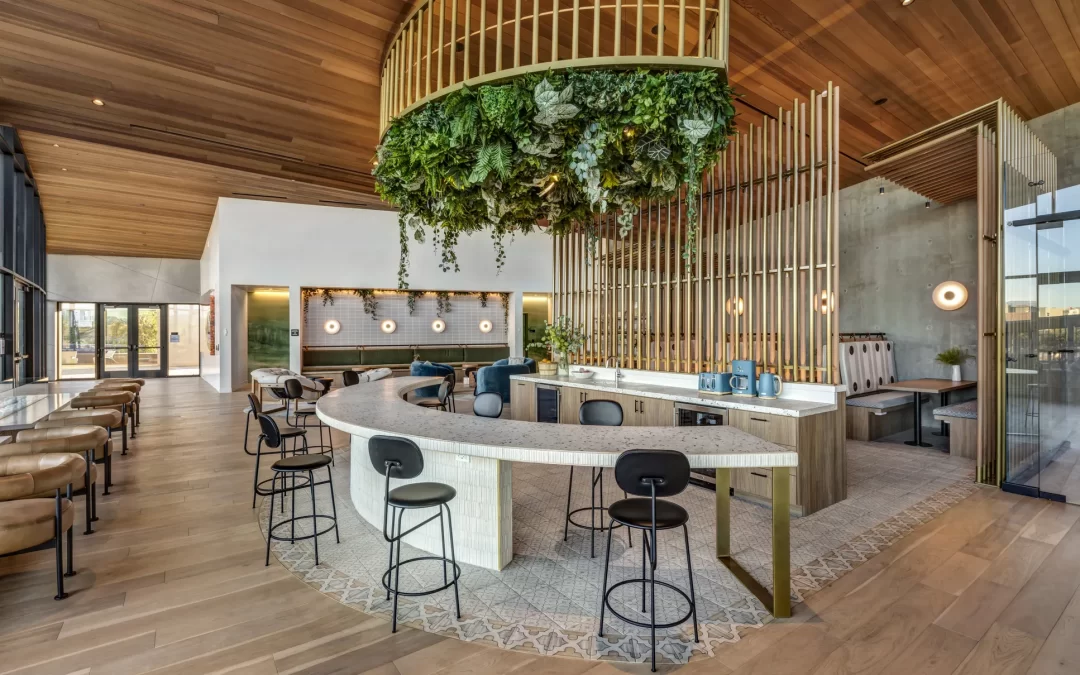
Thematic Branded Signage in Hospitality: A Visual Identity Strategy
In the competitive realm of hospitality, creating an immersive and memorable experience for guests is essential. One powerful but often underutilized tool in achieving this is thematic branded signage. This element extends beyond mere wayfinding; it serves as a vital aspect of visual identity within a property, providing guests with a seamless experience that speaks to the brand’s essence and values.
The Importance of Thematic Branded Signage
Thematic branded signage is integral to a property’s overall branding strategy. It not only helps in directing guests but also reinforces the brand’s story and aesthetic throughout the space. By leveraging color schemes, typography, and materials that align with a brand’s identity, signage becomes a cohesive part of the environment, enhancing the guest’s journey from the moment they arrive.
Consistency Across All Touchpoints
Successful thematic signage ensures consistency at every touchpoint. From entrance signs that welcome guests to room identifiers and directional guides, each element should echo the brand’s core themes. This consistency aids in brand recognition and reassurance, making guests feel grounded and involved in the experience.
Enhancing Guest Experience
The right signage contributes significantly to guest satisfaction. Clear, well-designed signs reduce confusion and streamline navigation, allowing guests to focus on enjoying their stay. Additionally, signage designed with the property’s ambiance in mind, such as vintage style for a historic hotel or sleek modern features for a contemporary resort, enhances the narrative of the space.
Elements of Thematic Branded Signage
The success of thematic branded signage lies in the details. Each element should be thoughtfully considered and well-integrated into the overall design.
Color and Typography
Color usage in signage should reflect the property’s brand palette, ensuring a uniform look throughout. Typography is equally critical; it must be legible and stylistically in line with the property’s overall design theme. Whether the goal is to evoke a classic feel with serif fonts or a modern edge with sans-serif, typography choices are essential in setting the tone.
Material Choices
Themed materials enhance both the aesthetic and tactile experiences of signage. Rustic wood may harmonize with a lodge or eco-resort, while polished metal may suit a luxury city hotel. These materials should be durable and weather-resistant, especially for exterior signage, to maintain a pristine appearance over time.
Innovative Integration
Integrating technology can elevate thematic signage from functional to interactive. Incorporating QR codes, digital displays, or augmented reality elements can engage tech-savvy guests and provide additional information at their fingertips. These dynamic components can update guests on events, promotions, or local attractions, enhancing their experience.
Practical Strategies for Implementing Thematic Signage
Creating effective thematic signage requires strategic planning and execution. Here are some practical strategies:
Understand Your Brand Identity
Before designing signage, clearly define your brand’s identity. What are its core values? What emotions should it evoke? Understanding these elements is crucial to creating signage that is genuinely reflective of the brand.
Map the Guest Journey
Consider the guest journey through the property. Identify key areas where signage is necessary and what type of signs will enhance the guest experience. Ensure high-traffic areas are complemented by intuitive and eye-catching signage that guides visitors naturally.
Collaborate with Design Professionals
Bringing in branding and design experts can provide a fresh perspective on how best to integrate signage into your space. Professionals can assist in selecting the right materials, size, placement, and technology needed to align with the brand vision and functional needs.
Real-World Example: Thematic Signage Success
Consider a beachfront resort that embraces nautical themes in its branding. Thematic signage here might include driftwood directional signs, room numbers crafted from coral-inspired decals, and a color palette of ocean blues and sandy beiges. Incorporating digital interfaces with coastal soundscapes would enhance authenticity, providing guests with an experience that flows seamlessly from the natural surroundings into the resort’s interior spaces.
Conclusion
Thematic branded signage in hospitality is much more than an operational necessity—it’s a strategic branding effort that enhances the guest experience. By thoughtfully curating each aspect of the signage, from typography to material, properties can communicate their brand story effectively and leave a lasting impact on guests. In a highly competitive industry, where every detail matters, thematic branded signage offers a valuable opportunity to stand out, create memorable experiences, and build enduring guest loyalty.