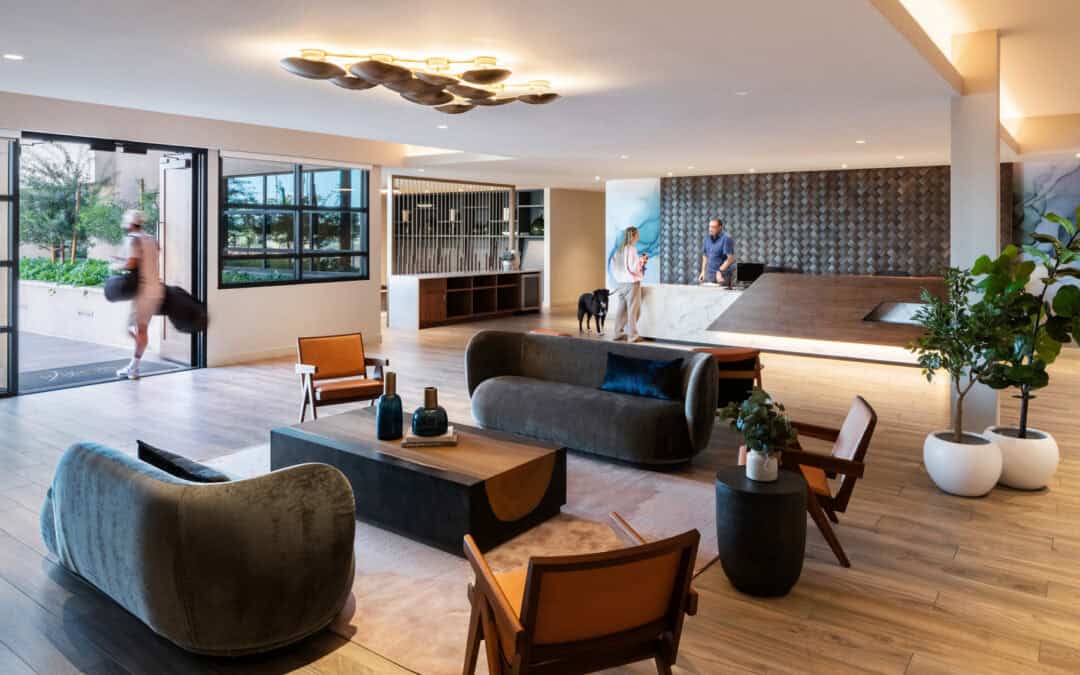
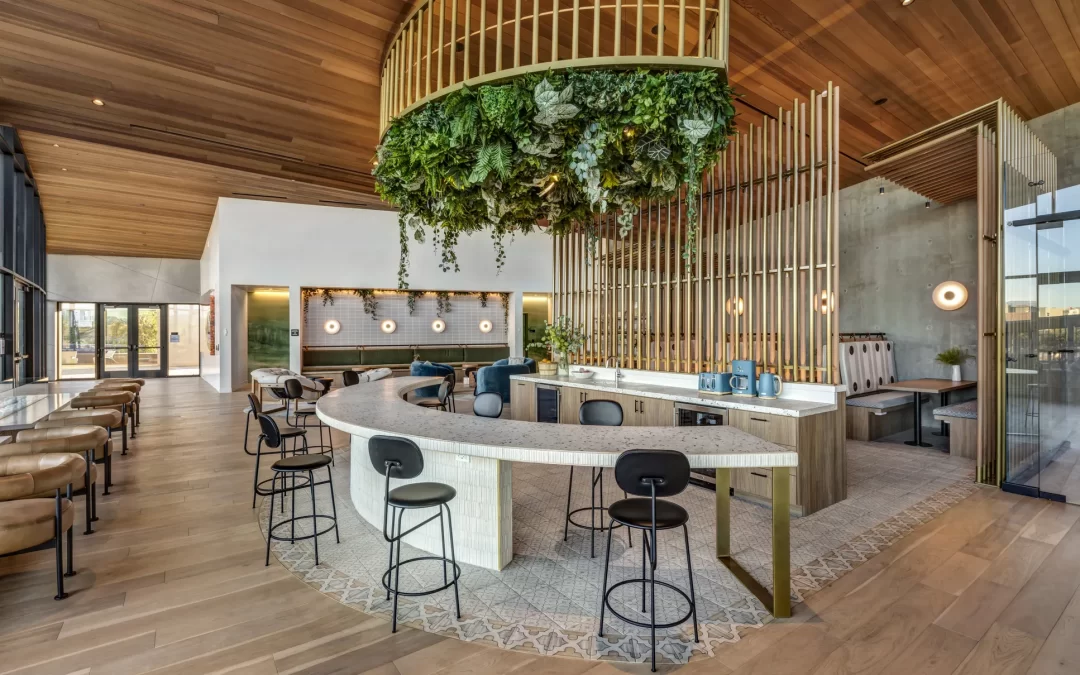
Interior design is no longer just about functionality—it’s about creating experiences, telling stories, and evoking emotions. One of the most impactful ways to achieve this is through bold graphic wall murals. These large-scale designs are more than just decorative elements; they are powerful tools that can transform spaces, convey brand messages, and leave lasting impressions. Whether you’re designing a corporate office, a retail store, or a cozy café, bold graphic murals can elevate your space to new heights.
In this article, we’ll dive into the world of bold graphic wall murals, exploring their benefits, uses, and how to incorporate them into your design projects. We’ll also share practical tips, inspiring examples, and actionable insights to help you make the most of this creative design element.
What Are Bold Graphic Wall Murals?
Bold graphic wall murals are large, eye-catching designs applied directly to walls or surfaces. They often feature vibrant colors, striking patterns, and thematic imagery that align with the space’s purpose or brand identity. Unlike traditional wallpaper, murals are custom-designed to fit the specific dimensions and style of a space, making them a unique and personalized design solution.
These murals are not just art—they’re strategic design elements that can define a space, tell a story, and create a memorable experience for anyone who enters. From abstract patterns to realistic landscapes, the possibilities are endless, making bold graphic murals a versatile choice for any interior design project.
Benefits of Bold Graphic Wall Murals
-
Make a Statement
Bold graphic murals are attention-grabbers. They serve as focal points in a room, instantly drawing the eye and creating a sense of visual interest. -
Enhance Brand Identity
For businesses, murals are a powerful way to communicate brand values and personality. A well-designed mural can reinforce your brand identity and leave a lasting impression on customers. -
Create Immersive Experiences
Murals can transport people to another place or time, creating a sense of immersion that enhances the overall experience of a space. -
Maximize Small Spaces
In smaller spaces, murals can create the illusion of depth and openness, making the area feel larger and more inviting. -
Cost-Effective Transformation
Compared to other design elements, murals are a relatively affordable way to completely transform a space without major renovations.
Uses of Bold Graphic Wall Murals
-
Corporate Spaces
In offices, murals can inspire creativity, convey company culture, and break the monotony of traditional office design. -
Retail Environments
Retailers use murals to create a captivating shopping experience, highlight products, and differentiate themselves from competitors. -
Hospitality Venues
Restaurants, hotels, and cafes use murals to set the mood, tell a story, and create Instagram-worthy moments for guests. -
Educational Spaces
Schools and educational institutions use murals to inspire learning, reflect diversity, and create engaging environments for students. -
Residential Interiors
Homeowners can use murals to add personality to living rooms, bedrooms, or children’s play areas, making their spaces truly unique.
Tips for Incorporating Bold Graphic Wall Murals
-
Choose the Right Theme
The mural should align with the purpose of the space and reflect its overall aesthetic. For example, a nature-themed mural might work well in a wellness center, while a geometric design could suit a modern office. -
Consider Scale and Placement
Ensure the mural’s size and placement complement the room’s layout. A large mural can overwhelm a small space, while a small one might get lost in a vast area. -
Use Color Strategically
Bold colors can energize a space, while muted tones can create a calming atmosphere. Choose colors that align with the mood you want to evoke. -
Balance with Other Design Elements
A mural should harmonize with furniture, lighting, and décor. Avoid overcrowding the space with competing elements. -
Work with Professionals
Collaborate with experienced designers or muralists who can bring your vision to life while ensuring high-quality execution.
Examples of Bold Graphic Wall Murals
-
Corporate Office
A tech company uses a futuristic, abstract mural in its lobby to reflect innovation and forward-thinking. -
Retail Store
A fashion boutique features a mural of vibrant patterns and textures in its fitting room area to create a luxurious and immersive experience. -
Café
A coffee shop incorporates a mural of a bustling cityscape to evoke a sense of urban energy and community. -
Children’s Playroom
A playful mural of animals and nature scenes transforms a plain room into a magical, imaginative space for kids.
Frequently Asked Questions (FAQs)
Q: Are bold graphic murals suitable for small spaces?
A: Yes! Murals can make small spaces feel larger and more dynamic, especially when designed thoughtfully.
Q: How long do wall murals last?
A: With proper materials and installation, murals can last for several years, even in high-traffic areas.
Q: Can murals be customized?
A: Absolutely. Murals are highly customizable, allowing you to create designs that perfectly fit your space and vision.
Q: Are murals expensive?
A: While costs vary, murals are often more affordable than other large-scale design changes like renovations or custom artwork.
Bold graphic wall murals are more than just a design trend—they’re a powerful way to transform spaces, tell stories, and create unforgettable experiences. Whether you’re a business owner, designer, or homeowner, incorporating murals into your space can elevate its impact and leave a lasting impression. So, why not take the bold step and turn your walls into works of art?