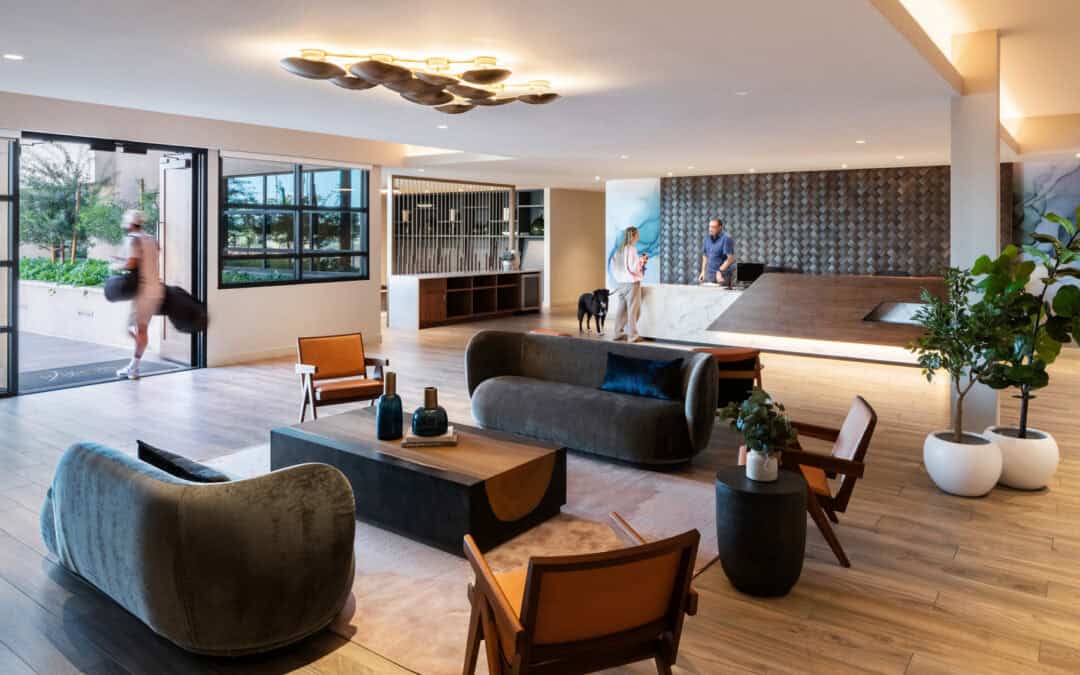
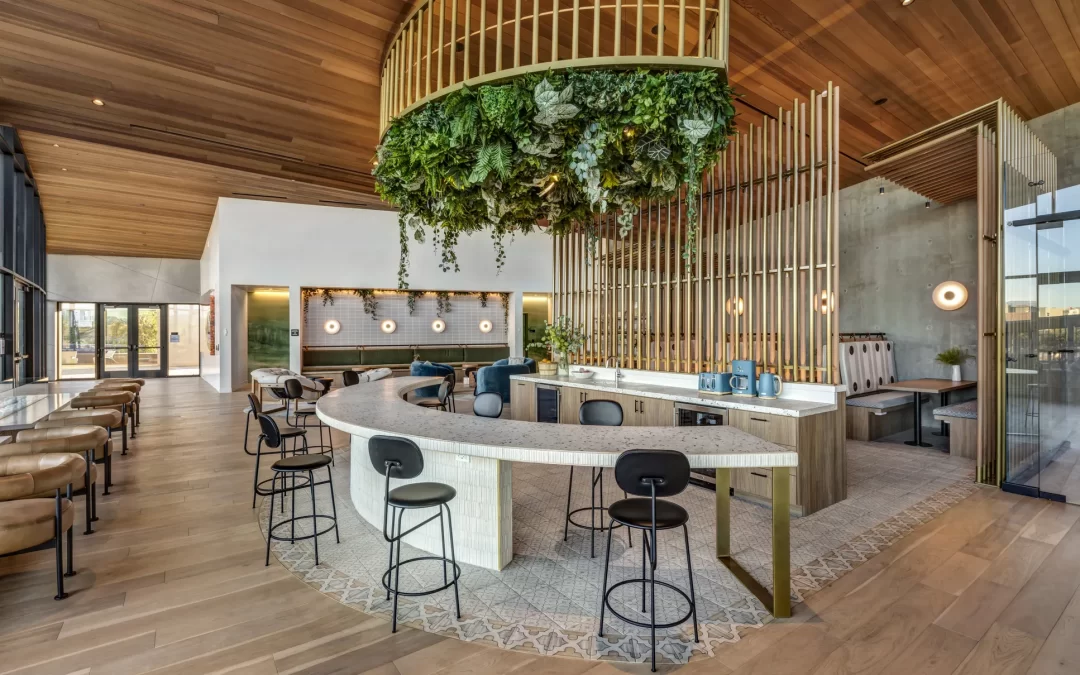
When you walk into a cocktail lounge, what’s the first thing that draws you in? Is it the soft glow of dim lighting, the plush seating that beckons you to sink in, or the sense of privacy that makes you feel like you’ve found your own little corner of the world? Cocktail lounges with intimate seating are more than just a place to grab a drink—they’re an experience. These spaces are designed to make you feel cozy, connected, and a little bit special.
Cocktail lounges with intimate seating are a growing trend in the hospitality industry. They cater to those who want to escape the hustle and bustle of everyday life and enjoy a quiet, relaxing space. Whether you’re catching up with friends, on a date, or just unwinding after a long day, these lounges offer a sanctuary where you can feel at ease.
Why Intimate Seating Matters
Intimate seating in cocktail lounges isn’t just about comfort—it’s about creating an atmosphere that encourages connection and relaxation. When you’re seated close to your companions, you’re more likely to engage in meaningful conversations. The cozy setup also makes the space feel exclusive, like you’ve been let in on a secret.
From a design perspective, intimate seating helps define the lounge’s aesthetic. It sets the tone for the entire space, making it feel warm and inviting. Plus, it’s a great way to maximize space, especially in smaller venues. By arranging seating in clusters or using clever layouts, you can create multiple intimate zones within a single lounge.
Key Elements of Intimate Seating
So, what goes into designing a cocktail lounge with intimate seating? Here are some essential elements to consider:
-
Seating Arrangement: The way you arrange your seating can make or break the intimacy of your lounge. Think about using low-backed chairs, love seats, or even plush benches to encourage closeness. Avoid high-backed chairs or overly large tables that can create barriers between guests.
-
Lighting: The right lighting can transform a space. Opt for warm, soft lighting that creates a cozy ambiance. Consider using dimmable lights, candles, or even string lights to add a touch of magic.
-
Materials and Textures: The materials you choose for your seating can enhance the comfort and intimacy of your lounge. Velvet, leather, and suede are popular choices for their soft, luxurious feel. Don’t forget to add throw pillows and blankets for an extra layer of coziness.
-
Layout: The layout of your seating is crucial for creating intimate zones. Use partitions, screens, or even plants to create a sense of privacy. Arrange seats in small clusters or around low tables to encourage interaction.
-
Acoustics: Noise can be a mood killer in a lounge. Consider using sound-absorbing materials like carpets, curtains, and upholstered panels to reduce noise levels and create a more intimate atmosphere.
Benefits of Cocktail Lounges with Intimate Seating
There are several benefits to designing cocktail lounges with intimate seating:
-
Enhanced Guest Experience: Guests are more likely to enjoy their time in a lounge that feels cozy and inviting. Intimate seating encourages relaxation and conversation, making the experience more enjoyable.
-
Increased Revenue: A well-designed, intimate lounge can attract more customers and encourage them to stay longer. Longer stays often lead to higher spending, boosting your revenue.
-
Memorable Atmosphere: Intimate seating creates a unique, memorable atmosphere that guests will want to return to. It sets your lounge apart from competitors and helps build a loyal customer base.
-
Versatility: Intimate seating can work in a variety of settings, from high-end cocktail lounges to more casual bars. It’s a versatile design choice that can be adapted to suit different styles and budgets.
Tips for Designing Cocktail Lounges with Intimate Seating
Here are some expert tips for creating a cocktail lounge with intimate seating:
-
Start with a Vision: Before you begin designing, think about the kind of atmosphere you want to create. Is it a romantic, candlelit space? A modern, chic lounge? Your vision will guide your design choices.
-
Choose the Right Furniture: Select furniture that’s both comfortable and stylish. Look for pieces that encourage closeness and interaction, like small sofas or armchairs.
-
Focus on Details: It’s the little things that make a big difference. Add elements like candles, fresh flowers, or artwork to enhance the ambiance.
-
Consider the Flow: Make sure your seating arrangement allows for easy movement around the lounge. You don’t want guests feeling cramped or uncomfortable.
-
Test the Space: Once your lounge is set up, spend some time in it yourself. Sit in different seats, test the lighting, and get a feel for the acoustics. Make adjustments as needed to ensure the space feels just right.
Examples of Cocktail Lounges with Intimate Seating
Here are a few examples of cocktail lounges that excel in creating intimate seating:
-
The Velvet Lounge: This upscale lounge features plush velvet seating, low lighting, and small, intimate tables. The space is designed to feel like a cozy living room, making it perfect for unwinding with a cocktail.
-
The Secret Garden: This lounge is all about creating a sense of privacy. With lush greenery, soft lighting, and secluded seating areas, it feels like a hidden oasis in the middle of the city.
-
The Whiskey Corner: As the name suggests, this lounge is dedicated to whiskey lovers. The intimate seating includes leather armchairs and small tables, perfect for savoring a fine whiskey in peace.
-
The Rooftop Retreat: This rooftop lounge offers stunning views along with intimate seating. Cozy love seats and fire pits create a warm, inviting atmosphere that’s perfect for a romantic evening.
Infographic: Key Elements of Intimate Seating in Cocktail Lounges
| Element | Description |
|---|---|
| Seating Arrangement | Low-backed chairs, love seats, or plush benches encourage closeness. |
| Lighting | Warm, soft lighting creates a cozy ambiance. |
| Materials & Textures | Velvet, leather, and suede enhance comfort and intimacy. |
| Layout | Use partitions, screens, or plants to create privacy. |
| Acoustics | Sound-absorbing materials like carpets and curtains reduce noise levels. |