The Impact of Elegant Entryway Chandeliers in Luxury Interiors
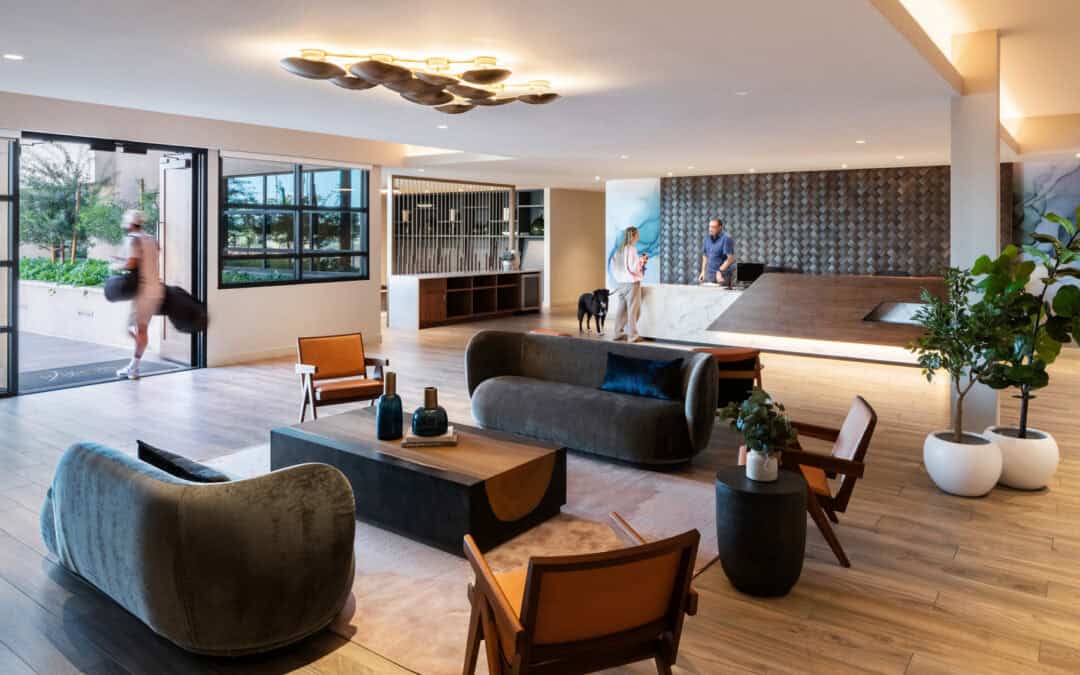
When stepping into a luxurious hotel, upscale restaurant, or a high-end residential property, the first impression is crucial. An elegant entryway chandelier does more than lighten up a space; it sets the tone for the guest experience, blending architecture, interior design, and branding into a mesmerizing welcome.
Defining Elegance Through Design
In the realm of high-end hospitality and residential design, the choice of chandelier isn’t just about illumination—it’s about creating a statement. These lighting fixtures are an integral part of the design aesthetic, often serving as the focal point in an entryway. The intricate details, whether in crystal, glass, or metal, reflect the sophistication of the space they illuminate.
The style of a chandelier can vary widely, from classic crystal designs that exude timeless elegance to modern, minimalist forms that speak to contemporary aesthetics. Each type offers a different narrative, aligning with the overall brand or home identity.
Elements of Design: Choosing the Right Chandelier
Choosing the right chandelier requires a balance between aesthetic appeal and practical considerations. This involves:
- Scale and Proportion: The chandelier should complement the size of the entryway. A chandelier that’s too large can overwhelm a space, while one that’s too small might underwhelm. Typically, the fixture should fill two-thirds of the width of the entryway to achieve visual harmony.
- Material and Finish: The materials used (such as glass, metal, or crystal) should reflect the space’s style. In luxury settings, polished metals and fine crystal often depict elegance and opulence.
- Lighting Effects: Chandeliers can set the ambiance through different lighting techniques, like dimming options or color variability. The lighting effect should be warm and welcoming, yet adjustable to suit different occasions or times of day.
Integrating Chandeliers into Branding
For hospitality brands, the entryway experience is a direct reflection of brand identity. An elegant chandelier not only enhances aesthetic appeal but also communicates the brand’s values and style. A luxury hotel might choose an opulent chandelier to highlight its exclusivity, while a modern boutique hotel might opt for a sleek, artistic fixture that emphasizes innovation and design-forward thinking.
Chandeliers as Conversation Starters
Beyond illumination and decoration, entryway chandeliers often become conversation pieces that guests remember long after their visit. The unique design, size, and grandeur can leave a lasting impression, often becoming a defining feature of the space.
For residential spaces, a well-chosen chandelier can become a family heirloom, adding sentimental value alongside its aesthetic appeal.
Practical Considerations for Designers
When integrating chandeliers into luxury interiors, designers should consider:
- Installation: Ensure that the ceiling is structurally sound to support the chandelier’s weight. This may require reinforcement, particularly for large or heavy fixtures.
- Maintenance: High-quality chandeliers require regular cleaning and care to maintain their sparkle and elegance.
- Energy Efficiency: Opt for LED lighting options where possible to ensure energy efficiency, curbing operational costs without sacrificing ambiance.
Concluding Thoughts
Elegant entryway chandeliers are a vital element in the vocabulary of luxury interior design. They do far more than light a space—they define it, enrich it, and imbue it with a unique charm that speaks to the designer’s vision and the brand’s essence. By carefully considering design elements, integration into brand identity, and practical maintenance, designers can create timeless foyers that leave a powerful impression.