Exclusive Event Space Branding: Creating Unforgettable Experiences
In the realm of hospitality and event planning, the venue itself can be a powerful tool for storytelling. Exclusive event space branding is about more than just name recognition; it is the thoughtful crafting of a venue’s personality through design and sensory elements. This is where architecture, interior design, and brand strategy converge to create a space that speaks directly to the audience, leaving a lasting impression.
The Pillars of Event Space Branding
Successful branding of an exclusive event venue requires a deep understanding of various components that collectively communicate the venue’s essence:
1. Architectural Significance
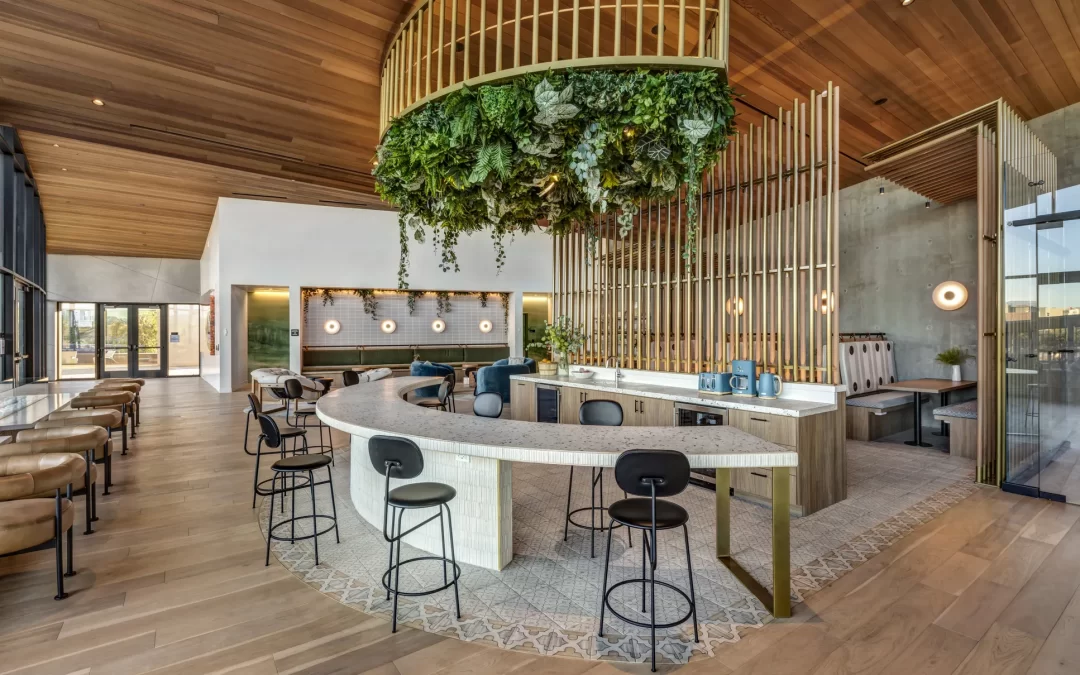
The architecture of an event space serves as the foundation of its identity. Whether it’s a historic mansion or a modern conference center, the structure itself can tell a story. Architectural features such as grand staircases, high ceilings, or minimalist lines should align with the venue’s brand message, providing a canvas that sets the tone for events hosted within.
2. Interior Design and Aesthetic
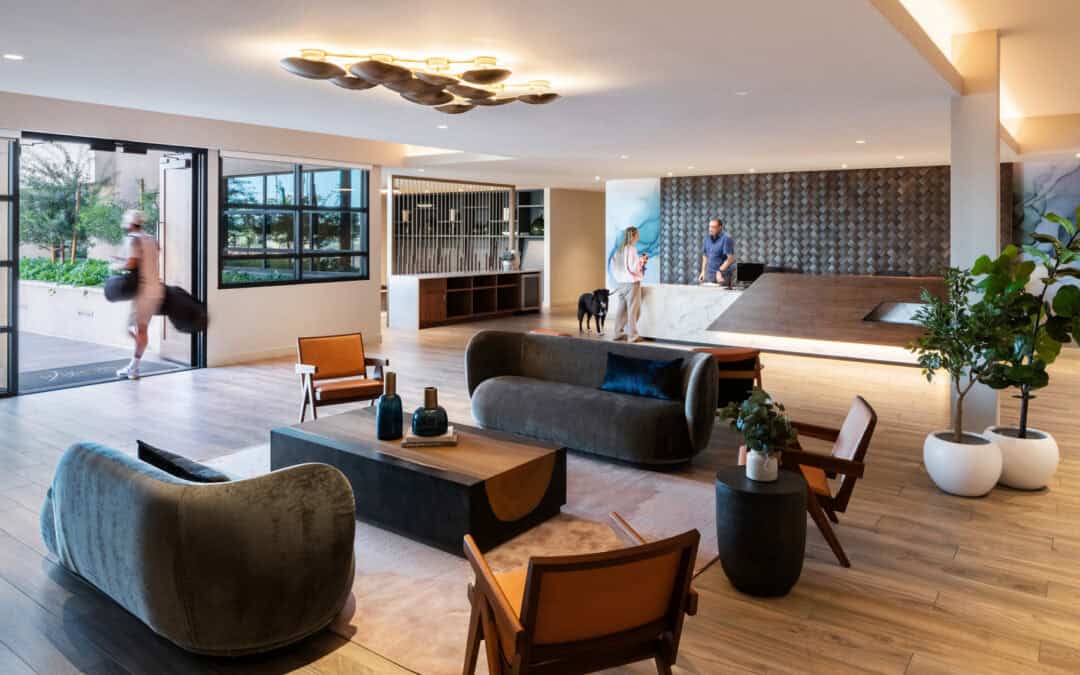
Interior design breathes life into the architectural shell, filling it with character and warmth. This encompasses the color schemes, furniture selection, and decor elements. For an exclusive venue, bespoke furniture and artworks curated to reflect the brand’s ethos can elevate the ambiance, delivering a unique experience to guests.
3. Sensory Engagement
Creating a memorable experience relies on engaging all senses. Consider the lighting, which can be adjusted to set varying moods throughout the event, or the acoustics that can be tailored to enhance or mute sound as required. Fragrances that align with the brand can evoke certain emotions and memories, while culinary offerings can be crafted to delight, embodying the venue’s brand story with flavors and presentations.
4. Strategic Use of Technology
Integrating technology into event spaces not only modernizes a venue but allows for dynamic branding opportunities. LED screens, projection mapping, and interactive installations can adapt to different events, showcasing the venue’s versatility and cutting-edge capabilities. Smart technology also allows for seamless lighting and sound adjustments, ensuring the brand’s presence is always felt, yet never overwhelming.
Aligning Brand Identity with Audience Expectations
Each exclusive event space should have a distinct personality that aligns with its target audience’s expectations. Aligning these elements involves:
- Understanding the Audience: Knowing who uses the space and what they anticipate is crucial. A venue known for corporate galas might lean towards elegance and sophistication, while a trendy loft for art exhibitions should embody creativity and modernity.
- Consistent Branding: Every touchpoint, from the physical design to digital presence, should reflect the brand’s core values. Logos, signage, and promotional materials should harmonize with the venue’s atmosphere.
Crafting Memorable Experiences
Exclusive event spaces benefit when the brand is not just seen but felt by the guests. A successful brand experience leaves attendees with a profound impression, sparking conversations and memories long after the event concludes.
Take, for example, an iconic rooftop venue in a bustling city center. By integrating panoramic skyline views with sleek, modern interiors and tech-savvy features like interactive lighting, the venue becomes synonymous with chic urban sophistication. Events held here are instantly prestigious because the space itself exudes glamour and exclusivity.
Conclusion: The Lasting Impact of Brand-Centric Venues
For hospitality and event venues, brand identity is not a secondary consideration but a defining element of guest interaction. By investing in thoughtful branding strategies that encompass architecture, interior design, and sensory elements, venues can transform into memorable landmarks. Exclusive event space branding is about crafting iconic experiences that resonate deeply with guests, fostering both loyalty and reputation.
As the landscape of event spaces continues to evolve, those who embrace and innovate their brand identity will invariably lead, offering not just a venue but an unforgettable narrative for every occasion held within their walls.