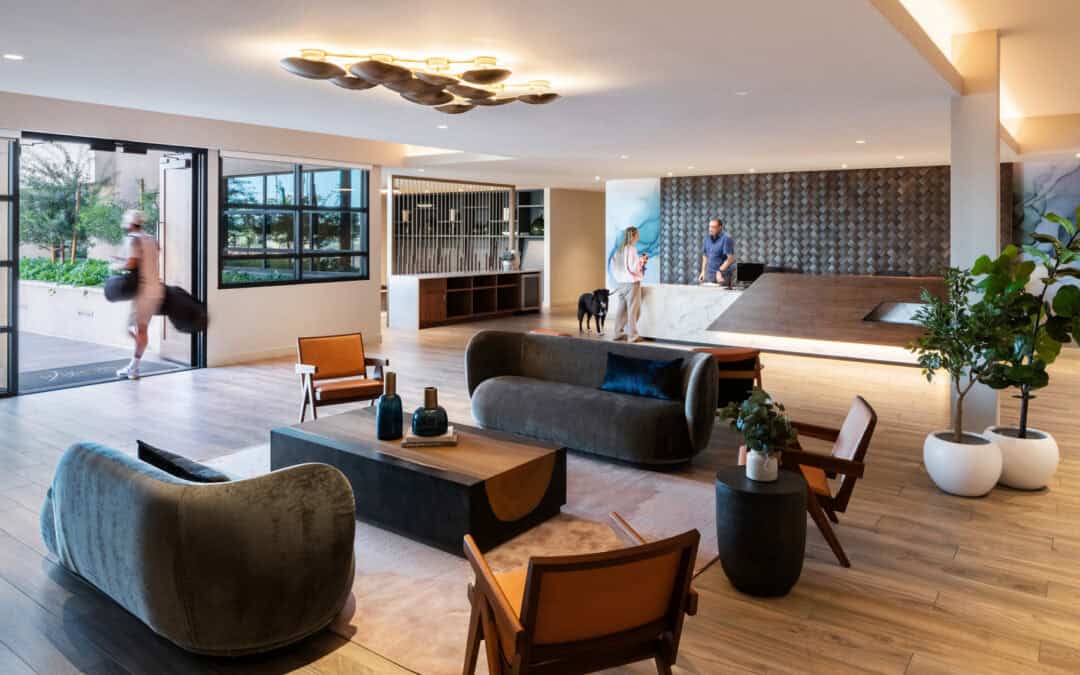
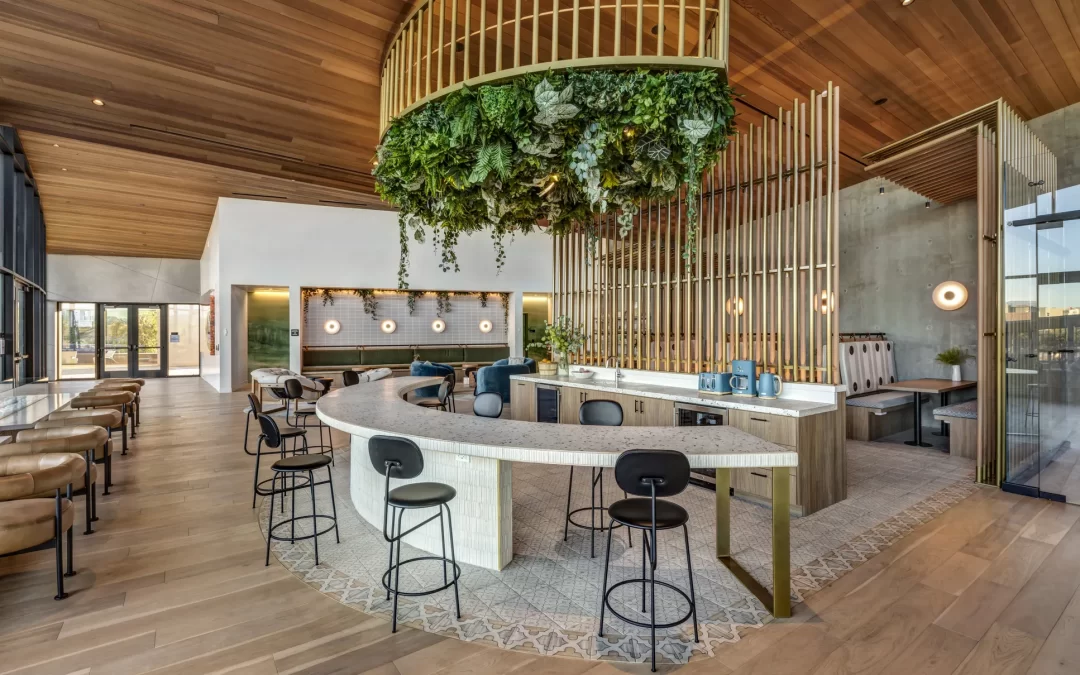
High-Impact Entrance Design in Hospitality: Crafting Unforgettable First Impressions
In the world of hospitality, first impressions are paramount. The entrance is the first physical interaction a guest has with your venue, and it sets the stage for the entire experience to unfold. A well-designed entrance can evoke excitement, curiosity, and anticipation, encouraging guests to engage more deeply with the space. High-impact entrance design combines aesthetic elegance with functional efficiency to create a captivating experience right from the onset.
The Importance of a High-Impact Entrance
The entrance of a hospitality venue—whether a hotel, resort, or restaurant—plays a crucial role in shaping guest perceptions. A compelling entrance not only draws guests in but also communicates brand values and the essence of the experience awaiting inside.
- Creating a Sense of Arrival: The entrance marks the transition from the outside world into the unique realm of your hospitality space. It should create a strong sense of arrival, making guests feel special and welcomed.
- Enhancing Brand Perception: Through thoughtful design choices, the entrance conveys the brand’s story and identity. Whether evoking luxury, comfort, sustainability, or innovation, every detail should align with the brand’s core values.
- Functional Flow: Beyond aesthetics, a high-impact entrance must facilitate an intuitive flow for both guests and staff, ensuring seamless access and navigation.
Key Elements of High-Impact Entrance Design
Designing a compelling entrance involves harmonizing several elements, each contributing to the overall impact:
- Architectural Features: Grand arches, dramatic doorways, and unique structural elements can create a sense of grandeur and intrigue. Architecture serves as one of the most powerful ways to express the scale and significance of your entrance.
- Lighting: Effective lighting design can transform the ambiance of an entrance, highlighting architectural details and creating an inviting glow. The use of layered lighting—ambient, accent, and decorative—ensures the entrance is both functional and visually appealing.
- Material Choice: The materials used in entrance design should align with the venue’s theme and aesthetic. Materials like polished stone, wood, or glass can evoke different emotions and impressions, from warmth and tradition to modernity and elegance.
- Landscaping and Greenery: Incorporating nature’s elements can enhance an entrance’s appeal. Strategically placed plants, water features, and natural textures can soften hard surfaces and create a more welcoming atmosphere.
Strategies for Designing a Stunning Entrance
To create an entrance that captivates and draws guests in, designers should focus on these strategies:
- Know Your Audience: Tailor the entrance experience to the expectations of your target demographic. A luxury resort may prioritize elegance and opulence in its entrance, while a youth-oriented hostel might focus on vibrant, energetic visuals.
- Tell a Story: Use design elements to weave a narrative that represents the venue’s unique selling propositions. This could be as simple as incorporating cultural motifs or as complex as technology-driven interactive installations.
- Maintain Cohesion: Ensure the entrance complements the internal spaces. The journey from the entrance to the interior should feel seamless, reflecting a consistent design language.
- Update with Technology: Integrating technology such as digital signage, smart lighting, or mobile check-in options can modernize the entrance experience and improve functionality.
Case Study: A Successful Entrance Design
Consider the entrance of a high-end urban hotel that uses towering glass panels and ambient lighting to create a sense of openness and luxury. Large-scale digital art displays are seamlessly integrated into the space, offering dynamic visuals that change throughout the day, keeping the entrance experience fresh and engaging. The strategic use of native foliage softens the edge of the sleek, modern design, providing a touch of nature in the cityscape.
Conclusion: The Lasting Impact of a Thoughtfully Designed Entrance
A high-impact entrance is more than just a gateway; it is an invitation, a promise of the experience to come. In the competitive hospitality industry, it serves as a powerful tool for differentiation and guest satisfaction. By focusing on impactful entrance design, hospitality venues can create memorable first impressions that inspire and captivate, laying the foundation for a guest experience that will linger long after their visit.