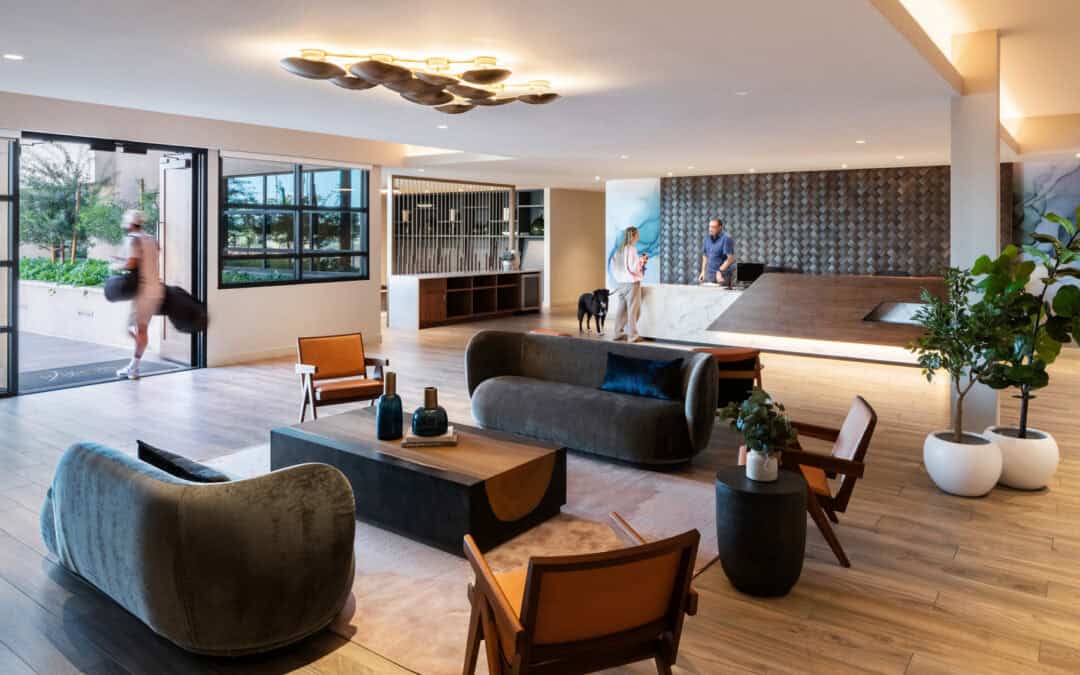
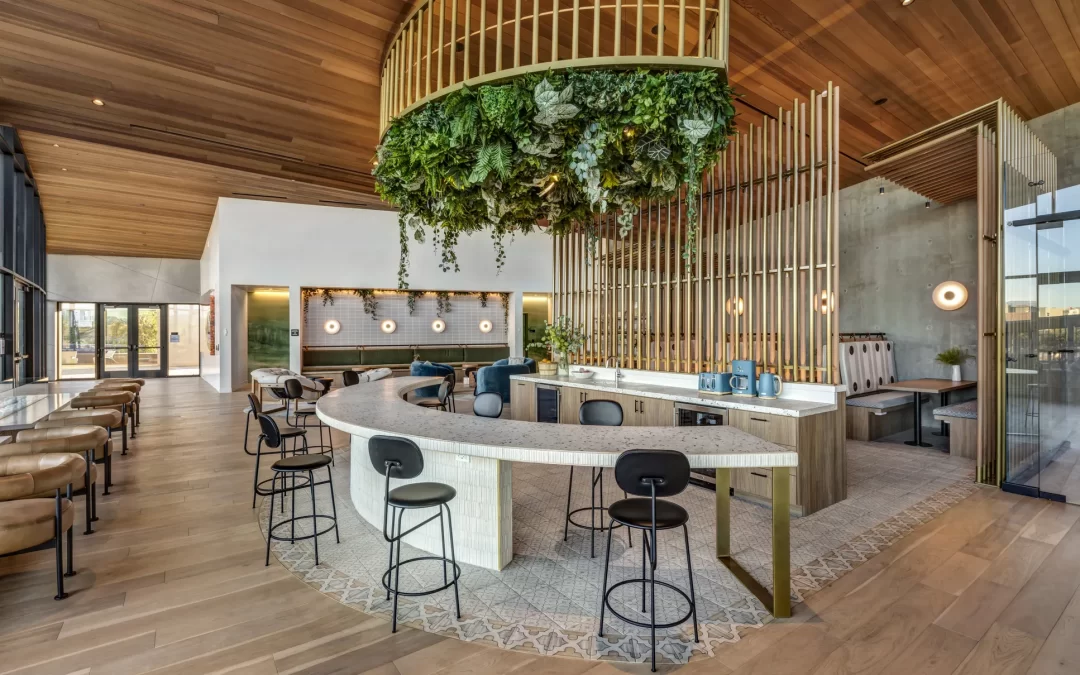
A newspaper stand in a lobby is more than just a functional fixture—it’s an opportunity to create a memorable experience for visitors while enhancing the overall aesthetic of the space. Whether it’s in a hotel, office building, or residential complex, a well-designed newspaper stand can serve as a subtle yet impactful brand touchpoint. This article delves into the art and science of designing a newspaper stand lobby, exploring its benefits, uses, and practical tips to help you create a space that is both functional and visually stunning.
What is a Newspaper Stand Design Lobby?
A newspaper stand design lobby refers to the intentional arrangement and styling of a newspaper stand within a lobby space. It goes beyond simply placing newspapers on a table or rack; it involves thoughtful consideration of layout, materials, branding, and user experience. The goal is to create a visually appealing and accessible area where visitors can easily browse and access reading materials while feeling connected to the environment around them.
Benefits of a Well-Designed Newspaper Stand Lobby
-
Enhances User Experience
A thoughtfully designed newspaper stand makes it easy for visitors to access reading materials, improving their overall experience. -
Reflects Brand Identity
The design of the stand can incorporate brand colors, logos, and messaging, reinforcing your identity and creating a cohesive look. -
Maximizes Space Utilization
A well-planned newspaper stand ensures that the lobby remains uncluttered while providing a functional space for visitors. -
Encourages Engagement
A visually appealing stand can draw visitors’ attention, encouraging them to stop, browse, and engage with the materials provided. -
Adds Aesthetic Value
A stylish newspaper stand can enhance the overall design of the lobby, making it more inviting and visually appealing.
Uses of a Newspaper Stand in a Lobby
-
Information Hub
Display newspapers, magazines, brochures, or other informative materials for visitors. -
Branding Opportunity
Use the stand to showcase your brand’s story, values, or offerings through design elements and curated content. -
Wayfinding Tool
Incorporate signage or maps to help visitors navigate the space. -
Interactive Space
Add QR codes or digital screens to provide additional information or engage visitors in unique ways. -
Cultural or Local Showcase
Highlight local publications or cultural materials to create a sense of place and connection.
Key Design Principles for a Newspaper Stand Lobby
-
Accessibility
Ensure the stand is easily accessible to all visitors, including those with disabilities. Consider height, placement, and clear pathways. -
Functionality
Choose materials and layouts that are durable and easy to maintain. Opt for modular designs that allow for flexibility. -
Aesthetics
Align the design with the overall theme of the lobby. Use colors, textures, and finishes that complement the space. -
Brand Integration
Incorporate your brand’s visual identity through logos, typography, and design elements. -
Sustainability
Use eco-friendly materials and practices to create a stand that aligns with modern environmental values.
Examples of Newspaper Stand Designs in Different Settings
-
Hotel Lobby
A sleek, modern stand with built-in lighting and a curated selection of luxury magazines to enhance the upscale ambiance. -
Corporate Office
A minimalist design featuring branded materials and digital screens to provide company updates or industry news. -
Residential Building
A cozy, wooden stand displaying local newspapers and community event flyers to foster a sense of connection. -
Airport Lounge
A high-tech stand with touchscreens for browsing international publications and flight information.
Tips for Designing a Newspaper Stand Lobby
-
Know Your Audience
Tailor the design and content to meet the needs and preferences of your visitors. -
Optimize Layout
Place the stand in a high-traffic area but ensure it doesn’t obstruct movement. -
Use Quality Materials
Invest in durable materials that withstand wear and tear while maintaining their appearance. -
Incorporate Lighting
Use accent lighting to highlight the stand and make it more inviting. -
Keep It Updated
Regularly refresh the materials on display to keep the content relevant and engaging.
Infographic Table: Key Elements of a Newspaper Stand Design Lobby
| Element | Description |
|---|---|
| Layout | Strategic placement to ensure accessibility and flow. |
| Materials | Durable, high-quality materials that align with the overall design. |
| Branding | Incorporation of logos, colors, and messaging to reinforce brand identity. |
| Content | Curated selection of newspapers, magazines, or other materials. |
| Lighting | Accent lighting to enhance visibility and create a welcoming ambiance. |
| Sustainability | Use of eco-friendly materials and practices. |
Conclusion
A newspaper stand design lobby is a small but powerful element that can significantly impact the overall experience of a space. By combining functionality, aesthetics, and branding, you can create a stand that not only serves its purpose but also enhances the environment and leaves a lasting impression on visitors. Whether you’re designing for a hotel, office, or residential building, the principles and tips outlined in this article will help you craft a newspaper stand that is both practical and visually appealing.