Refined Rustic Resort Interiors: Embracing Elegance and Charm
The allure of rustic design lies in its ability to invoke a sense of nostalgia and comfort. When applied to resort interiors, this style creates an inviting, home-away-from-home environment for guests. However, there’s an emerging trend in hospitality known as ‘refined rustic interiors’ which elevates the traditional rustic style with a blend of modern elegance. For resort owners and designers, mastering this style offers a unique opportunity to differentiate their properties and enhance guest experiences.
The Essence of Refined Rustic Interiors
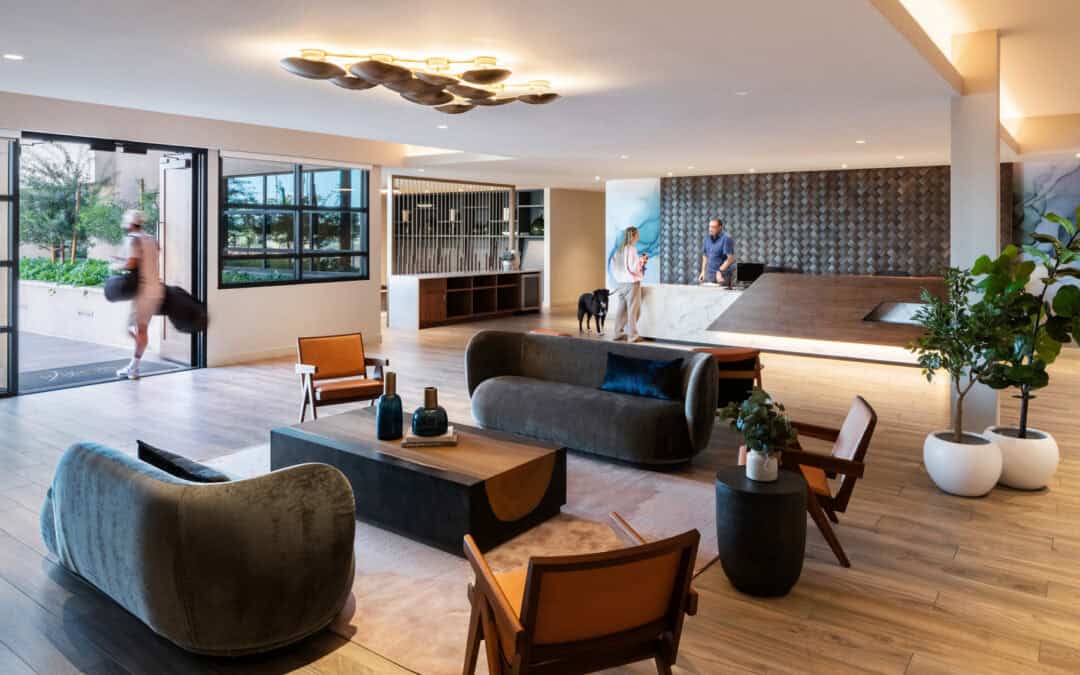
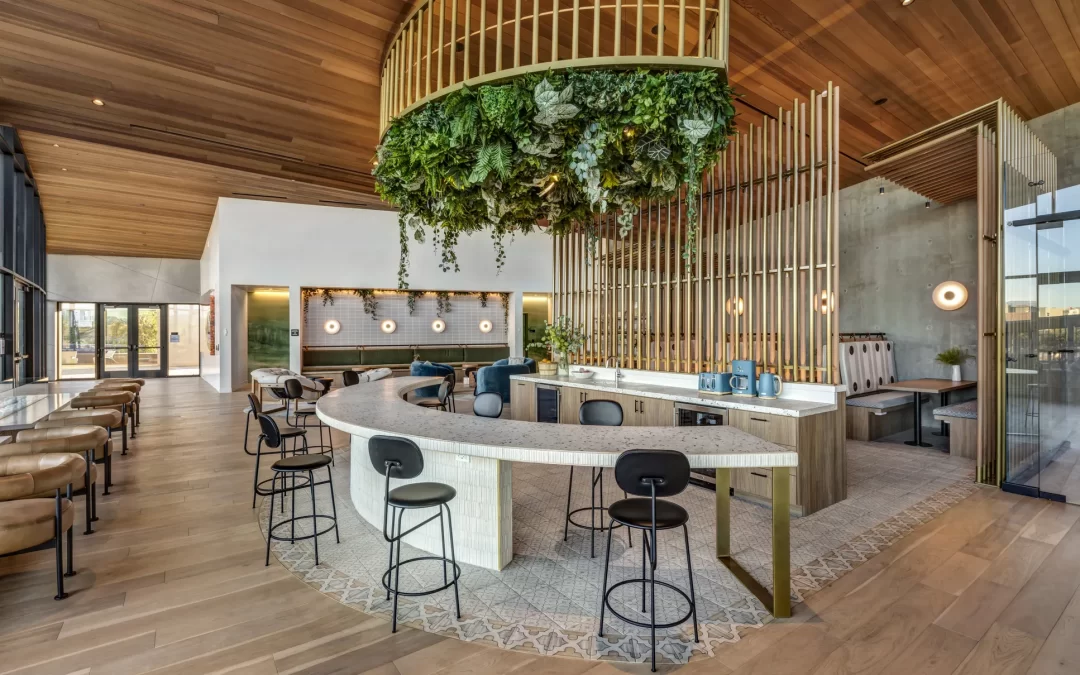
Refined rustic interiors maintain the authenticity and warmth of rustic style while incorporating contemporary and sophisticated elements. This fusion creates spaces that feel both cozy and luxurious, an ideal ambiance for resorts looking to offer tranquility with a touch of modernity. Core elements of this style include natural materials, a neutral color palette, and a harmonious blend of textures.
Key Elements of Refined Rustic Design
- Natural Materials: Use of wood, stone, and organic textiles serves as the foundation of rustic design. In a refined rustic approach, these materials are often paired with sleek metal fixtures or glass elements to add modern contrast.
- Neutral and Earthy Color Palettes: A subdued color scheme of beiges, whites, and earth tones helps evoke an organic and calming environment, allowing guests to unwind.
- Layering Textures: The interplay of different textures—soft woolen throws, smooth leather furniture, raw wood, and polished stone—adds depth and interest to spaces.
- Minimalistic Decor: While rustic designs might incorporate abundant decorations, a refined rustic approach opts for minimalism, allowing the natural beauty of materials and architecture to shine.
- Modern Touches: Incorporating contemporary lighting, streamlined furniture designs, and modern artworks can uplift rustic aesthetics, providing sophistication and functionality that guests appreciate.
Design Strategies for Refining Rustic Interiors in Resorts
For hospitality designers aiming to create refined rustic spaces, focusing on the following strategies can enhance the guest experience:
Integrating Local Culture and Materials
Refined rustic interiors should reflect the unique charm of their location. Sourcing local materials not only supports sustainability but also gives the property a distinct identity. Resorts can incorporate locally crafted furniture or artworks, bringing authenticity and personalized character to the space.
Balancing Comfort with Style
In a resort setting, guest comfort is paramount. Plush seating, tactile fabrics, and thoughtful room layouts ensure relaxation without compromising on style. Providing modern amenities within a rustic framework balances guest expectations for comfort and luxury.
Creating Seamless Indoor-Outdoor Transitions
Many resorts benefit from beautiful natural surroundings. By designing spaces that flow seamlessly between indoor comforts and outdoor beauty, guests can fully appreciate the environmental charm. Use of large windows, open porches, and patio spaces blurs the indoor-outdoor divide, enhancing the overall aesthetic.
Enhancing Ambiance with Details
Small details make a big difference in refined rustic interiors. Handcrafted accessories, strategically placed lighting, and subtle use of technology (such as smart lighting systems) contribute significantly to the overall ambiance, creating sensory experiences that resonate with guests.
Case Study: A Refined Rustic Resort Experience
Consider a mountain resort nestled in the Rockies, where refined rustic interiors transform the guest’s experience. The lobby greets visitors with a massive stone fireplace and plush leather couches, inviting relaxation. Guest rooms feature reclaimed wood furnishings and sumptuous bedding, creating a serene retreat after ski or hike days. The dining hall presents farm-to-table dishes in a setting defined by natural wood beams and minimalist decor, capturing the natural beauty of its surroundings while offering world-class service.
Conclusion
By blending the rustic charm with modern sophistication, refined rustic interiors redefine what it means to be a resort guest in the 21st century. As travelers increasingly seek authentic, memorable experiences, creating a design that feels both familiar and luxurious becomes essential. For resort owners and designers, investing in refined rustic interiors is not just an aesthetic choice, but a strategic decision that enhances guest satisfaction, promotes brand loyalty, and differentiates their property in a competitive market. This design philosophy ensures that the experience of comfort and elegance remains etched in guests’ memories long after their visit.