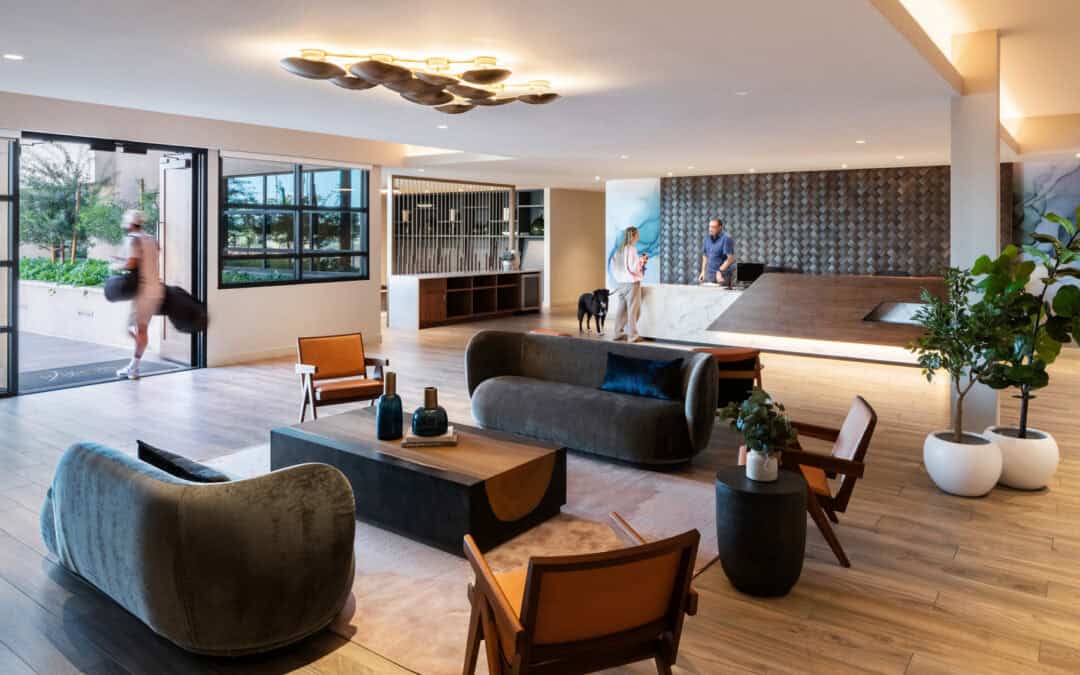
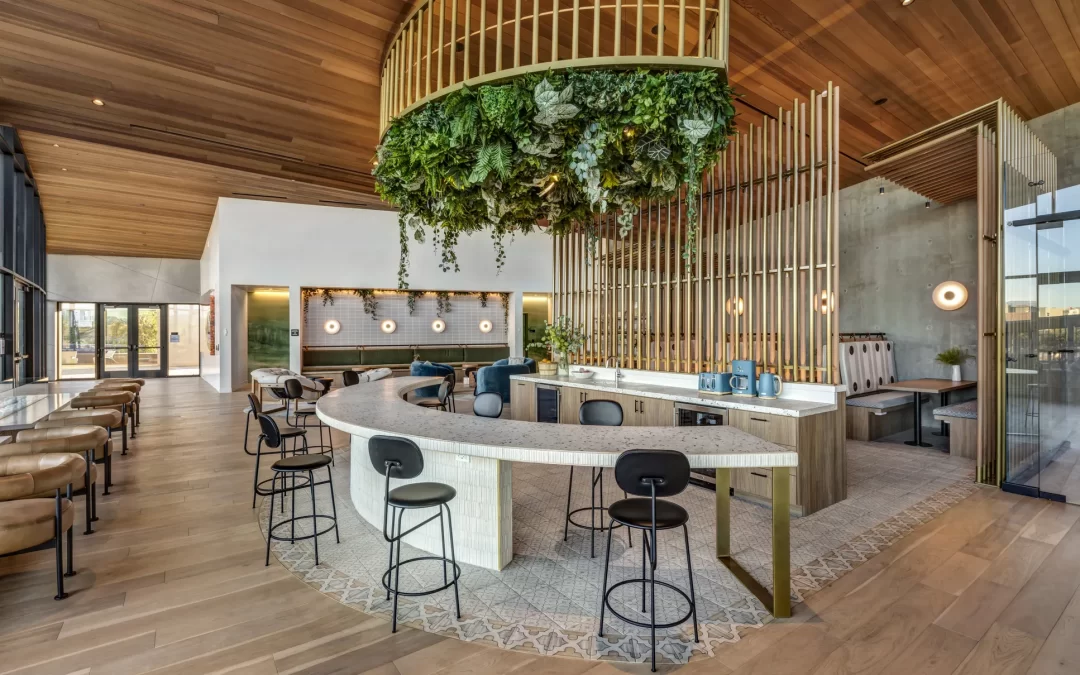
The Allure of Rustic Luxury Guestrooms
In the world of hospitality design, the concept of rustic luxury has gained significant traction. These guestrooms marry the charm and warmth of rustic elements with the finesse and comfort that define luxury accommodations. Rustic luxury guestrooms aim to provide an immersive experience that connects guests with both nature and unparalleled comfort, making them feel at home while being pampered.
Core Elements of Rustic Luxury Guestroom Design
To effectively blend rustic charm with luxury, designers must pay careful attention to several key elements:
1. Material Selection
The materials used in rustic luxury design are foundational in creating the desired atmosphere. Common choices include reclaimed wood, natural stone, and exposed beams, all of which add texture and warmth to the space. These materials often convey a sense of history and character.
2. Color Palette
The color palette in these guestrooms typically features earth tones such as browns, greens, and creams. These colors not only complement the natural materials but also enhance the sense of bringing the outdoors inside. Accents of gold or silver can be added for a touch of elegance.
3. Lighting
Lighting plays a crucial role in establishing the mood within a rustic luxury guestroom. Soft, ambient lighting paired with task lighting creates a cozy yet sophisticated ambiance. Rustic lighting fixtures, such as wrought iron chandeliers or lamps with natural fiber shades, complement the overall aesthetic.
4. Furniture and Layout
The furniture in rustic luxury guestrooms is often an eclectic mix of handcrafted pieces and elegant designs. Plush seating, luxurious bedding, and large, wooden furnishings create a comfortable and inviting environment. The layout should facilitate a welcoming flow, encouraging guests to relax and unwind.
5. Decorative Elements
Decorative elements such as art, textiles, and personal touches add depth and personality to the room. Pieces that reflect the local culture or artistic heritage can be particularly impactful. Consider adding artisanal crafts or locally sourced items to resonate with guests seeking an authentic experience.
Creating Memorable Guest Experiences
A rustic luxury guestroom should not only provide physical comfort but also evoke a sense of emotional well-being and escape. Here’s how hospitality designers can create memorable experiences:
Connect with the Environment
Where possible, incorporate large windows, sliding doors, or balconies that offer spectacular views and natural light. This design choice helps to seamlessly blend the guestroom with its natural surroundings, fostering a strong connection with the environment.
Emphasize Comfort
Luxury is synonymous with comfort. High-thread-count sheets, plush pillows, and cozy throws are essential in creating a luxurious sleeping experience. Additionally, thoughtful touches, such as fireplaces or heated floors, can enhance comfort and appeal during colder seasons.
Customization and Personalization
Guests appreciate personalized experiences. Offering a range of pillow types, customizable lighting settings, or curated local experiences can make a guest’s stay unique and tailored to their preferences.
Enhance the Sensory Experience
Sensory elements such as scent and sound can significantly influence the guest experience. Infuse the room with natural fragrances, using scented candles or oil diffusers, and consider playing ambient sounds like gentle waves or forest birds to create a serene atmosphere.
Rustic Luxury Design: A Case Study
Consider a contemporary lodge nestled in the mountains. The guestrooms offer sweeping views of the landscape, rustic stone fireplaces, and furnishings crafted from locally sourced materials. Textiles in earthy hues, combined with fur throws and artisanal ceramics, provide the sense of rustic charm while the incorporation of luxury bathroom fixtures and high-tech amenities ensure guest comfort. This blend allows guests to experience the essence of rustic living without sacrificing modern conveniences.
Conclusion
Rustic luxury guestrooms offer a harmonious blend of the old and the new, the natural and the refined. By focusing on material selection, thoughtful design elements, and guest-centric experiences, hospitality brands can craft unforgettable spaces that cater to guests seeking authentic luxury escapes. In a competitive industry, the unique charm of rustic luxury can distinguish a property, fostering both guest satisfaction and loyalty.