Signature Entryway Decor Pieces: Setting the Stage for Memorable Guest Experiences
In the hospitality industry, the entryway is more than just a passage; it’s the first physical touchpoint of brand experience. A well-curated entryway can effectively communicate the essence of your brand, establish an emotional connection with guests, and set the stage for a memorable stay.
The Role of Entryway Decor in Branding
Decor pieces in an entryway act as cultural storytellers and subliminal marketers. They tell the story of the brand even before words are spoken. In hospitality, where every corner speaks of luxury, comfort, or adventure, entryway decor serves as both a visual invitation and a declaration of the brand’s ethos.
- Reflective of Brand Values: An entryway featuring sustainable materials instantly conveys a message of environmental consciousness. Conversely, crystal chandeliers and polished metals speak of luxury and exclusivity.
- Creating a Sense of Place: Local art or furniture can root a space in its surroundings, offering guests an authentic taste of the region as soon as they arrive.
Core Elements of Signature Entryway Decor
To craft an entryway that resonates with guests, consider these elements:
1. Statement Art Pieces
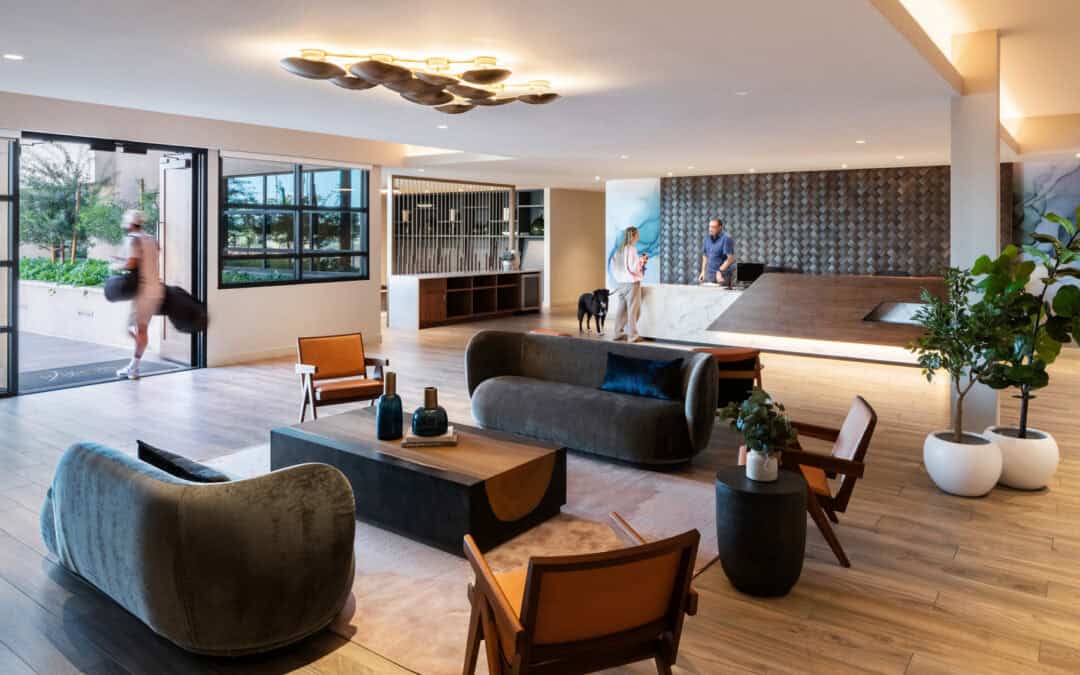
Large art installations or sculptures can be focal points in an entryway. These pieces should not only attract attention but also align with the overall theme of the property. Art can evoke emotions, create conversation, and set the tone of the experience that awaits.
2. Unique Lighting Fixtures
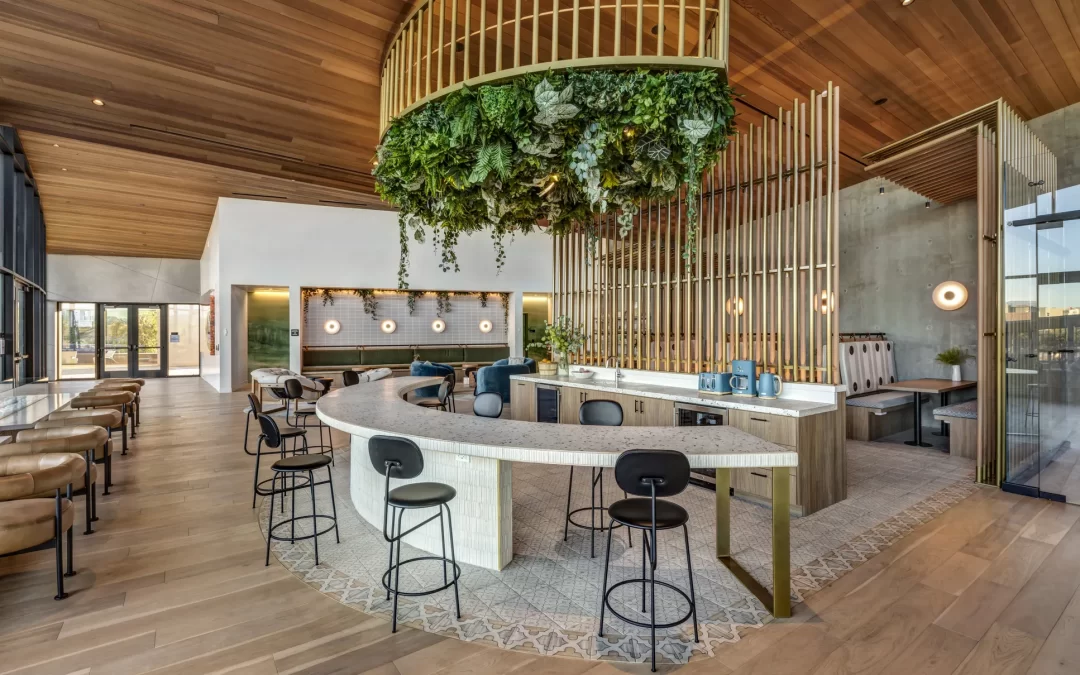
Lighting is crucial in creating mood and ambiance. Bold, custom-designed light fixtures can become a significant decor element in themselves. Consider chandeliers with unconventional designs or wall sconces that cast dramatic shadows to enhance visual appeal.
3. Furniture that Makes a Statement
Choose furniture that complements the architecture and scale of the entryway. Whether it’s a vintage console table with intricate details or a modern bench with sleek designs, furniture should be functional yet artistic, enhancing the brand story while providing comfort.
4. Engaging Flooring Patterns
The flooring of the entryway sets the groundwork for overall aesthetics. Consider using patterned tiles, luxurious marbles, or textured wood to create visual interest. Rugs can also add warmth and texture, offering a tactile element that invites guests to linger.
Creating a Cohesive Experience
Consistency is key in design, especially in hospitality. Ensure that entryway decor pieces tie with other elements of the property, including color schemes, motifs, and materials. This alignment creates a seamless guest experience, which is crucial for brand loyalty.
Integrating technology can elevate the experience further. Interactive touch screens displaying art or history, personalized lighting settings, or soundscapes can make an entryway feel cutting edge and guest-centric.
Best Practices for Design Execution
- Understanding the Space: Analyze the architecture and scale of the entryway. Ensure decor pieces are proportionate and complementary to avoid overwhelming or underwhelming the space.
- Prioritize Functionality: While style is vital, entryways need to be functional, supporting smooth transitions for guests. Ensure there is ample space for navigation and consider the practical needs of travelers, such as areas for brief pauses or check-ins.
- Incorporate Use of Color: Use color strategically to evoke desired emotions. Warm tones can create a welcoming feel, while cooler shades might provide a sense of calm and relaxation.
Real-World Inspiration
Consider the entryway design of a high-end resort in the Caribbean. Upon arrival, guests are greeted by a grand open-air foyer showcasing a breathtaking chandelier made from local seashells. The floor tiles mimic ocean waves, and the walls display artwork from native artisans. This immersive entryway sets the tone for a luxurious yet culturally rich stay, encapsulating the resort’s brand promise of bespoke paradise experiences.
Conclusion
Signature entryway decor is an essential aspect of hospitality design that can significantly impact guest perceptions and brand identity. Through careful selection of decor pieces—from art and lighting to furniture and flooring—you can create an inviting experience that leaves a lasting impression. Remember, your entryway is more than a threshold; it’s the first chapter in your brand’s story.