Thematic Window Treatment Designs: Transforming Hospitality Spaces
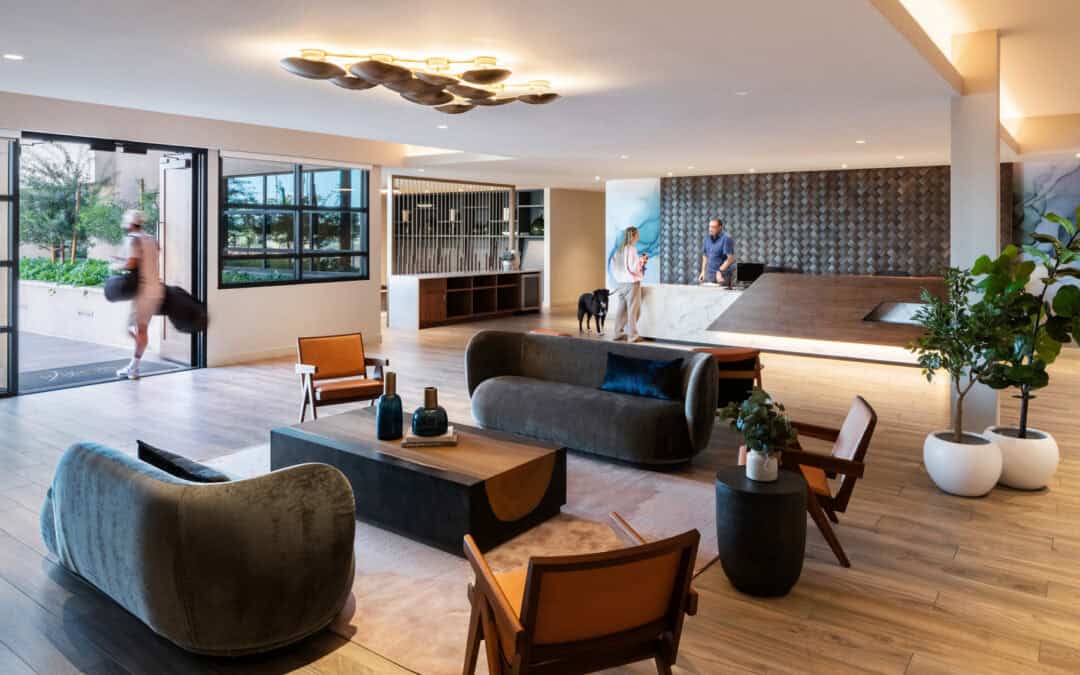
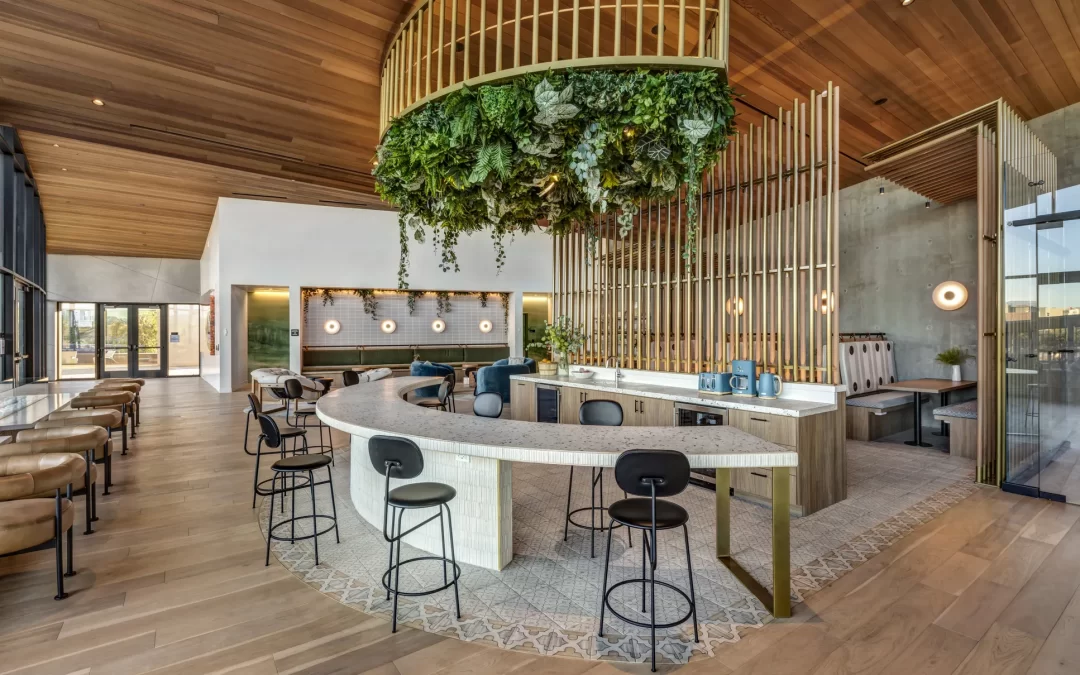
In the realm of hospitality design, windows serve as both a functional element and an aesthetic statement. The treatments that adorn these windows—be it drapes, blinds, or shades—play a crucial role in shaping the interior atmosphere. Thematic window treatment designs not only meet practical needs such as privacy and light control but also enhance the thematic and stylistic coherence of a space.
The Importance of Thematic Window Treatments
Effective window treatments are pivotal for several reasons. Practically, they regulate natural light, impacting the room’s temperature and energy efficiency. Aesthetically, they can transform the mood of a space, complementing other design elements like color palettes and furnishings.
Types of Thematic Window Treatments
When selecting window treatments, it’s important to consider both the function and the form. Thematic window treatments can be broadly categorized into various styles:
1. Drapes and Curtains
Drapes offer a classic appeal and are ideally suited for luxurious hotel rooms and grand lobbies. They provide ample opportunities for thematic expression through fabric selection, color, pattern, and texture. For instance, heavy, opulent fabrics like velvet or silk might be chosen for a regal theme, while sheer, airy fabrics can enhance a coastal or contemporary theme.
2. Blinds and Shades
Blinds and shades tend to offer a more modern, minimalist aesthetic. Options such as Roman shades, roller shades, or Venetian blinds can be tailored to reflect the theme of the space while maintaining a clean, uncluttered look. They are often selected for their ability to provide precise control of light and privacy, essential in creating particular atmospheres within hospitality spaces.
3. Shutters
Interior shutters are a robust option, lending a solid form of window treatment and a distinctive architectural aspect. Often associated with rustic or coastal themes, shutters can be painted or stained to match specific décor styles.
The Role of Thematic Window Treatments in Hospitality Branding
For hospitality brands, window treatments are a subtle yet powerful medium of brand expression. They should reflect the brand’s values and personality, further enriching the guest experience.
- Reinforcing Brand Identity: A boutique resort with a commitment to sustainability may choose organic, eco-friendly materials for its window treatments, such as bamboo shades or recycled fabrics, which align with its green credentials.
- Creating Unique Experiences: For themed hotels or restaurants, window treatments can be tailored to enhance storytelling. For example, a 1920s-style speakeasy bar might use vintage draperies to evoke a sense of the era.
- Elevating Aesthetic Appeal: Windows can frame not only the outside vistas but also the internal scene, using treatments that accentuate the view or echo design elements from the surrounding architecture.
Practical Considerations
Beyond style, practical elements—such as durability, ease of maintenance, and suitability to climate—must be considered in the selection of thematic window treatments. Hospitality spaces face heavy use and require solutions that can withstand frequent cleaning and exposure to sunlight without fading or damage.
Real-World Example: Thematic Success
Consider a boutique hotel in Santorini that uses billowy, white linens for its window treatments, capturing the essence of the Aegean Sea and Greek architecture while ensuring rooms remain cool under the Mediterranean sun. These linens complement the hotel’s whitewashed walls and cobalt blue accents, creating a cohesive and inviting atmosphere for guests.
Conclusion
Thematic window treatments are more than a décor item—they are an integral part of storytelling in hospitality design. Properly chosen treatments do more than provide shade; they convey emotions, tell stories, and enhance the experience for every guest. By aligning window designs with the overarching theme, hospitality designers can ensure that every aspect of a space is thoughtfully curated, contributing to memorable and meaningful guest experiences.