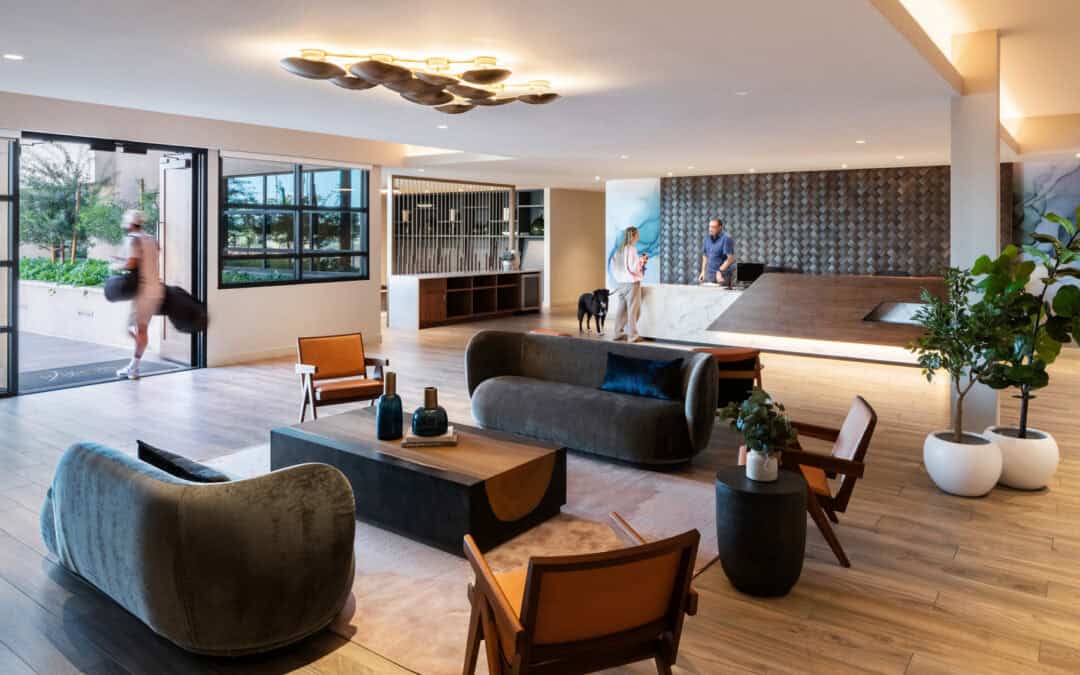
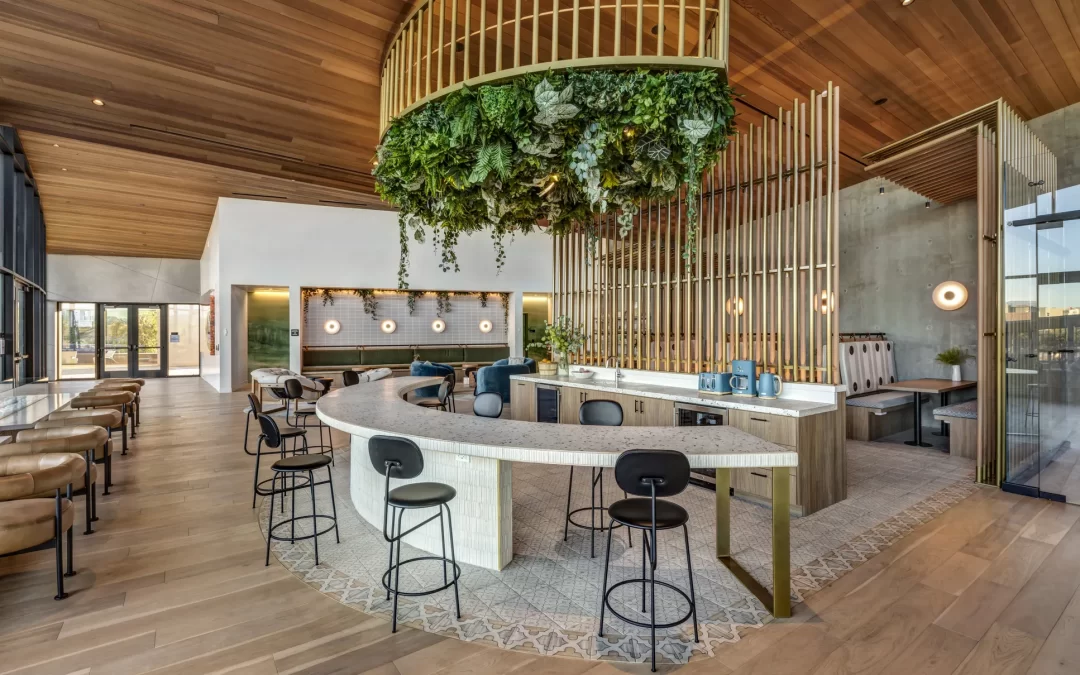
Essential Impact of Vibrant Accent Pieces
In the realm of hospitality design, vibrant accent pieces are the subtle yet powerful elements that breathe life and energy into a space. These pieces serve as the highlights in an interior’s symphony, grabbing attention and creating memorable experiences for guests. Whether through colorful artworks, striking furniture, or eye-catching textiles, the strategic use of vibrant accents is a potent way to express a brand’s identity while enhancing the overall aesthetic appeal.
The Role of Accent Pieces in Hospitality Spaces
In hospitality environments, from boutique hotels to bustling restaurants, the use of vibrant accents is more than just about adding color. These pieces are critical in defining the mood, style, and personality of a space. They help create a narrative that aligns with the brand’s ethos and speaks directly to the target audience.
An effective accent piece can dramatically transform an otherwise neutral setting into a dynamic and inviting space. For example, a bold piece of modern art in the lobby of a contemporary hotel can evoke conversations and serve as an Instagram-worthy spot, increasing guest engagement and social media presence.
Key Elements of Vibrant Accent Pieces
- Color and Palette: Using bold colors as accent points can invigorate a space. Complementing the main color scheme with varied hues adds layers and depth.
- Texture and Materials: The choice of material can also play a role in accent pieces. Shiny metals, soft textiles, or rustic woods can each add a different layer of interest.
- Scale and Proportion: An oversized sculpture or an imposing chandelier can serve as a focal point, drawing attention and adding drama.
Accent Pieces and Brand Storytelling
For a hospitality brand, every design element is an opportunity to tell a story. Vibrant accent pieces are uniquely positioned to narrate this tale in a way that connects with guests on an emotional level. These pieces can embody cultural heritage, sustainable practices, or modern luxury, aligning perfectly with a brand’s story and values.
Imagine a boutique hotel that prides itself on its local roots, using handcrafted pottery from local artisans throughout its interior. These pieces not only serve as accents but also narrate the hotel’s commitment to supporting local craftsmanship, enhancing the guest experience by offering a deeper connection to the locality.
Design Strategies for Integrating Accent Pieces
- Contrast and Complement: Pairing vibrant accents against neutral backdrops can make them pop while ensuring the space doesn’t feel overwhelming.
- Functional Decoration: Accent pieces that also serve a functional purpose, like a vividly colored sofa in a lounge, combine aesthetics with usability.
- Layering and Repetition: Use of varied but related accent items throughout the space can create a sense of coherence and rhythm.
Practical Tips for Selecting Accent Pieces
When designing hospitality interiors, selecting the right accent pieces requires a keen understanding of both the space and the brand narrative. Here are some practical tips:
- Know Your Guests: Understanding the preferences and expectations of your target visitors can guide the choice of accent pieces.
- Experiment with Arrangement: Test different placements and arrangements to see what creates the best flow and visual interest.
- Seasonal Reflections: Consider rotating accent pieces seasonally to keep spaces fresh and relevant.
- Balance: Ensure balance by not overloading a space with too many accent pieces, allowing each to shine without competition.
Real-World Example: Vibrant Accent Success
Take, for instance, a luxury resort in the Caribbean that uses vibrant local artwork and colorful furniture to create a lively and welcoming environment. These elements not only add visual flair but also immerse guests in the rich culture of the islands, enhancing their overall stay. Guests are encouraged to interact with these elements, creating a visually stimulating experience that resonates with the broader tropical theme of the resort.
Conclusion
In the competitive world of hospitality, vibrant accent pieces can be a defining feature that sets a brand apart. By thoughtfully incorporating these elements, designers can create visually stunning and emotionally engaging environments that resonate with guests. Such spaces not only capture attention but also forge lasting memories, elevating the brand experience and encouraging guest loyalty.